
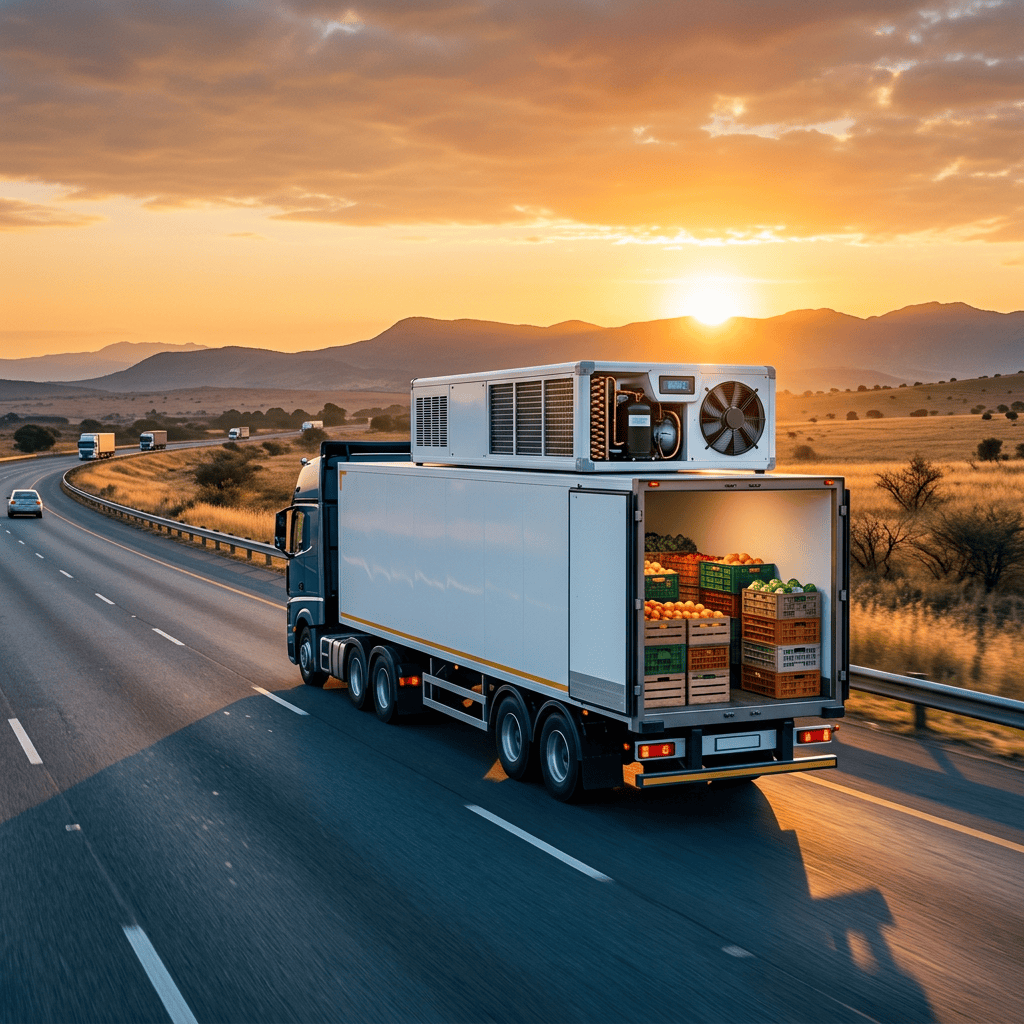
A reefer truck is a refrigerated vehicle that keeps perishable goods at a controlled temperature during transport. In South Africa, reefer hire is used for fresh produce, meat, dairy, frozen foods, pharmaceuticals and flowers. Prices depend on the size of the truck, the temperature required, distance, whether a driver is included and the fuel used by the refrigeration unit. The most important checks are that the unit holds the right temperature, the body is clean and food-safe, and the operator can prove the cold chain was maintained.
Transporting perishable goods is one of the least forgiving parts of road freight. A vehicle that is a few degrees off, or a delivery that sits too long in the sun, can ruin an entire load. Understanding how reefer hire works helps you avoid expensive mistakes.
What a reefer truck actually is
A reefer is an insulated body fitted with a refrigeration unit, usually powered by its own diesel engine or by the truck’s engine, and sometimes by an electric standby system when parked. The unit circulates cold air around the cargo space, and a thermostat maintains the temperature that the operator sets. Common units are made by specialist manufacturers, and the important question is not the brand but whether the unit is well maintained and correctly set.
Reefers are used in two broad temperature ranges:
- Chilled. Typically around 0°C to 5°C, used for fresh fruit and vegetables, dairy, fresh meat and many pharmaceuticals.
- Frozen. Typically around minus 18°C or lower, used for frozen meat, ice cream and frozen prepared foods.
Some vehicles have multiple compartments that allow chilled and frozen goods to travel together. Always confirm the exact temperature range your cargo requires from the product supplier or the relevant specification, and do not rely on general figures.
Common reefer vehicle types
- Refrigerated vans and small trucks. Suitable for caterers, small retailers and local deliveries.
- Rigid refrigerated trucks. Typically around four to eight tons or more, common for supermarkets, wholesalers and distribution.
- Refrigerated semi-trailers. Used for long-haul freight and bulk produce, pulled by a truck tractor.
- Multi-temperature vehicles. Compartmentalised bodies that carry chilled and frozen goods in the same trip.
- Refrigerated containers on flatbeds. Common for export or port-based freight.
The right choice depends on the volume and weight of your goods, the temperature range and how many drop-offs are involved.
Who uses reefer hire
Reefer hire covers a wide range of users. Farmers and packhouses move fruit and vegetables to markets and ports. Retailers and wholesalers move stock between distribution centres and stores. Caterers and event organisers need cold storage on the move. Pharmaceutical distributors require tight temperature control. Seasonal peaks, such as the harvest and festive periods, push demand up sharply. If you are working in a produce region, our guide to truck rental in Polokwane explains how agricultural demand shapes availability in Limpopo.
What affects the price
Reefer hire is generally more expensive than dry freight hire because of the refrigeration equipment, fuel use and maintenance involved. The main cost factors are:
- Truck size and type. Larger bodies and trailers cost more.
- Temperature required. Keeping a load frozen uses more energy than keeping it chilled.
- Distance and duration. Longer trips mean more fuel for both the truck and the refrigeration unit.
- Refrigeration fuel. Some quotes include the unit’s diesel and others charge it separately.
- Driver and overtime. Long delivery routes may involve overnight stops.
- Waiting time. Delays at loading or offloading points keep the unit running and can add cost.
- Season. Harvest and festive-period demand can push prices up and reduce availability.
- Pre-cooling. Cooling the body before loading takes time and fuel, and some operators charge for it.
Ask for an itemised quote and confirm how the refrigeration fuel is handled. A low daily rate with a separate, uncapped fuel charge can cost far more than an inclusive price.
The cold chain checks that matter
The cold chain is the unbroken sequence of temperature-controlled steps from origin to destination. Before you hire, ask about:
- Pre-cooling. The body should be cooled to the required temperature before loading, since a warm body can raise the temperature of the cargo.
- Temperature monitoring. Ask whether the vehicle has a data logger or telematics system that records temperature throughout the journey, and whether you can access the records.
- Cleanliness. The body should be clean, free of odours and suitable for food. Ask about the last cargo carried and the cleaning routine.
- Door seals and insulation. Damaged seals and worn insulation let heat in, so ask about the condition of the body.
- Unit servicing. The refrigeration unit needs regular servicing. Ask when it was last serviced and whether the operator has backup arrangements.
- Loading procedure. Air needs to circulate around the cargo, so loads should not block vents or be packed hard against walls.
- Fuel management. The unit should have enough fuel for the trip plus a buffer, and the driver should know how to monitor it.
Legal and compliance points
Food transported in South Africa is subject to food safety and hygiene requirements, and vehicles carrying food must generally be clean and suitable for the purpose. For exports, particularly fresh fruit, inspection and approval by the relevant export control body may apply to the vehicle or container, and the requirements can be specific. As always, check with your customer, your export agent or the relevant authority. Vehicles carrying goods for reward should also be operated under the correct permits, insured and driven by a licensed driver.
Questions to ask before you hire
- What is the temperature range and can the unit hold it in hot conditions?
- Is temperature logging available and are records provided?
- What was the last load carried, and how was the body cleaned?
- Who pays for refrigeration fuel?
- What happens if the refrigeration unit fails during a trip?
- Can I see the vehicle before I commit?
- Is goods-in-transit cover included, and does it cover spoilage caused by equipment failure?
That last question deserves close attention. Many standard policies exclude spoilage unless specific cover is arranged, so read the wording carefully.
Regional considerations
Coastal routes, port-related deliveries and long inland corridors each bring their own challenges. Ports can involve waiting time that keeps refrigeration running, and long routes through hot regions test the unit’s capacity. Our guide to truck rental companies in Durban explains how port activity affects pricing and scheduling. For a general overview of the vehicle categories available, see the truck rental page.
Frequently asked questions
How much does reefer truck hire cost in South Africa?
There is no fixed rate. Prices depend on truck size, temperature, distance, driver and refrigeration fuel, so request an itemised quote.
What temperature should a reefer truck hold?
It depends on the cargo. Chilled goods are usually around 0°C to 5°C, and frozen goods around minus 18°C or lower, but always confirm with your product specification.
Can I hire a reefer without a driver?
Some operators allow it, but many prefer to supply a trained driver who understands the unit and the cold chain.
Who is liable if the goods spoil?
It depends on the contract and insurance. Clarify liability and spoilage cover in writing before the job.
How far ahead should I book?
Book early during harvest season and the festive period, when demand for refrigerated vehicles is highest.


Leave a comment