
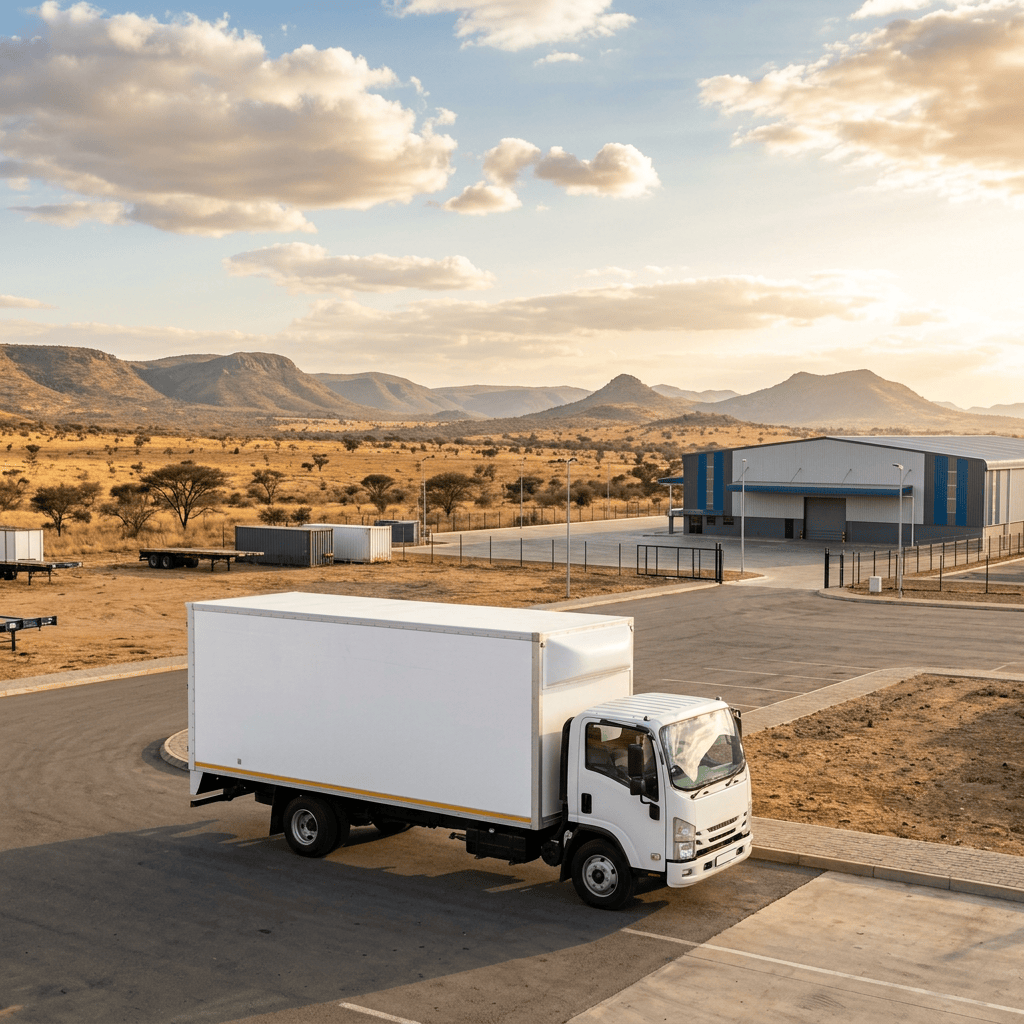
Truck rental in Polokwane covers bakkies and panel vans for household moves, small and medium rigid trucks for business freight, and heavier tautliners, tippers and truck tractors for agricultural, mining and long-distance work. Rates usually depend on vehicle size, duration, kilometres, fuel arrangements and whether a driver is included. Compare at least three itemised quotes for the same job, and check licensing, insurance and breakdown support before you commit.
Polokwane is the capital of Limpopo and the main commercial hub of the northern provinces. It sits on the N1, roughly 300 km north of Johannesburg, and it is the last major centre before the road continues to Musina and the Beitbridge border. That position makes it a busy corridor for retail stock, building materials, farm produce and cross-border freight, and it shapes how truck rental works in the city.
Why Polokwane’s truck rental market looks the way it does
Demand comes from several directions at once. Farms in the surrounding region move produce, livestock feed and equipment. Construction and property developers need material hauled to sites across the city and its outlying towns. Retailers and wholesalers restock from Gauteng. Mines in the wider region move equipment, supplies and bulk material. Households and students also need vans for moves in and out of the city.
The result is a market with a mix of local operators and larger national rental businesses. Some companies focus on light vehicles for individuals, while others concentrate on heavy commercial trucks. Knowing which category you need helps you find the right supplier quickly.
Truck types you are likely to need
- Bakkies and panel vans. Suitable for small deliveries, tools and household moves within town.
- One to four ton trucks. A good match for small business freight, furniture and building supplies.
- Eight ton rigid trucks. Useful for larger moves, retail stock and general freight, particularly in closed or curtain-side bodies.
- Tautliners and curtain-siders. Ideal for palletised goods that need side loading and weather protection.
- Tipper trucks. Common for sand, gravel, rubble and other bulk material on construction and mining jobs.
- Flatbeds and low beds. For machinery and equipment. Choose a low bed if your load is heavy or oversized.
- Truck tractors and trailers. For long-haul freight along the N1 and beyond.
How pricing typically works
Truck rental quotes are built from several components, and the cheapest headline rate is not always the cheapest outcome. Ask each supplier to itemise:
- The base rate, charged per day, week, month or trip.
- The kilometre allowance and the price of extra kilometres.
- The fuel policy, such as full-to-full or fuel included.
- Driver charges, including overtime and waiting time if a driver is supplied.
- Tolls, which are significant on the N1 north and south of Polokwane.
- Insurance and excess, covering both the vehicle and the goods.
- Delivery and collection fees, if you are not collecting the truck yourself.
Long distances matter in Limpopo. A day-rate that looks reasonable can climb quickly if it carries a tight kilometre allowance and your route crosses several hundred kilometres.
Self-drive or hire with a driver
Self-drive is often the cheapest option for light vehicles. You take on the driving, the insurance excess and responsibility for the vehicle. For heavier trucks, you need the correct licence code, and a professional driving permit may be required for vehicles carrying goods for reward. A supplied driver costs more, but it moves much of the operational risk to the supplier and brings experience of the route and of loading practices.
What to check before you sign
- Company details. Confirm the registered name, physical address and contact numbers, and if possible see the vehicles yourself.
- Operating permits. Vehicles moving goods for reward should be operated under the correct licences.
- Insurance. Ask what is covered, what is excluded and how large the excess is. Ask specifically about goods-in-transit cover if you are moving valuable stock.
- Vehicle condition. Request the roadworthy status, tyre condition and service history.
- Breakdown support. Long distances and remote stretches make a fast replacement or roadside response essential.
- Contract terms. Read the clauses on damage, late return, cancellation and tolls carefully.
Polokwane-specific factors
Long corridors. Most freight leaving Polokwane covers long distances, so fuel economy, tolls and driver rest time are large parts of the cost. Plan your route and stops in advance.
Seasonal agricultural demand. Harvest periods for crops such as citrus, tomatoes and other produce can tighten the supply of trucks, particularly refrigerated and open-body vehicles. If your job falls in a busy season, book earlier. Our guide to reefer truck hire in South Africa explains what to ask about refrigerated vehicles.
Heat. Limpopo summers are hot, which affects tyres, engines and any temperature-sensitive cargo. Ask about vehicle servicing and, for perishables, the refrigeration unit.
Border-bound freight. If your goods are going through Musina towards Beitbridge, confirm whether the operator has cross-border permits and experience, and whether the driver holds the right documentation.
Local versus national suppliers. A local supplier may respond faster on breakdowns and cut delivery fees. A national operator may offer a broader fleet and one-way rental options. Weigh those trade-offs against your job.
Getting a fair quote
Send every supplier the same information: the cargo, its weight and volume, pick-up and drop-off addresses, dates and any loading equipment on site. Ask for the quote in writing, and ask what would change the price, such as a delay at the loading point or a change of route. If you are comparing markets, our guide to truck rental companies in Rustenburg covers the same questions for another inland hub. You can also review the vehicle categories on the truck rental page.
Frequently asked questions
How much does truck rental in Polokwane cost?
It depends on the vehicle, hire period, distance and whether a driver is included. Request itemised quotes from several suppliers for the same job.
Do I need a special licence to drive a rental truck?
Light vehicles need a standard licence. Heavier trucks require the correct licence code, and some categories require a professional driving permit.
Can I rent a truck one-way from Polokwane to another city?
Some operators offer one-way rentals, usually with a drop-off fee. Confirm the fee before booking.
Is insurance included?
Not always. Ask about vehicle cover, excess and goods-in-transit cover separately.
How far ahead should I book?
A few days is often enough for standard trucks, but book earlier for month-end, harvest season or specialised vehicles.


Leave a comment