
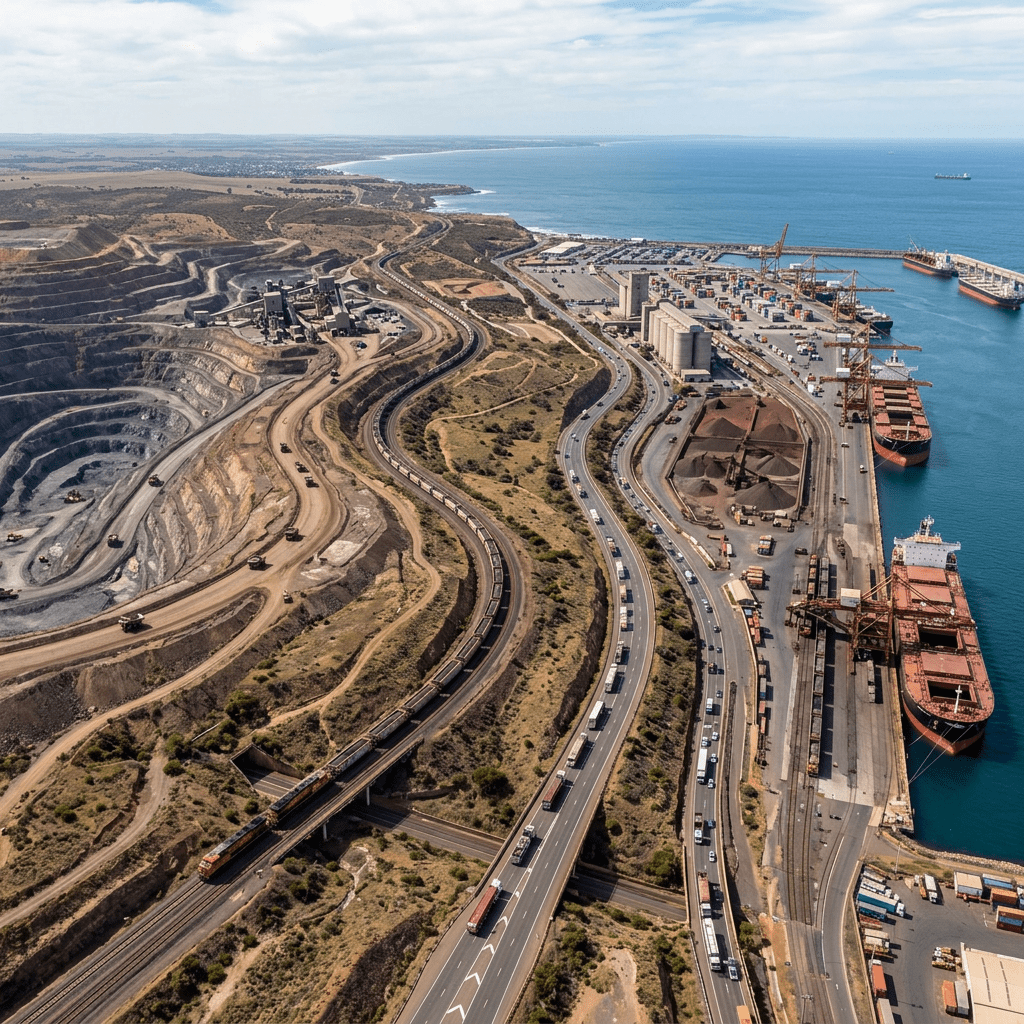
South Africa is one of the world’s leading producers of valuable mineral resources, including coal, chrome, manganese, iron ore, and platinum. Moving these commodities efficiently from mining operations to export terminals is essential for maintaining global trade competitiveness. This is where mine-to-port transport plays a critical role in the country’s logistics and mining sectors.
Efficient transport solutions ensure minerals are delivered safely, on time, and in compliance with industry regulations, supporting both local economic growth and international exports.
What is Mine-to-Port Transport?
Mine-to-port transport refers to the movement of bulk mining commodities from extraction sites to ports for export or further processing. In South Africa, this typically involves road freight, rail logistics, or a combination of both, depending on the location of the mine and the destination port.
Key export routes connect mining regions such as:
- Mpumalanga
- Limpopo
- Northern Cape
- North West Province
to major ports including:
- Richards Bay
- Durban
- Port Elizabeth
- Saldanha Bay
These logistics corridors are essential for maintaining steady export volumes and supporting global supply chains.
Why Efficient Mine-to-Port Logistics Matters
Mining companies depend on reliable transport operations to avoid costly delays and maintain contractual obligations with international buyers.
Effective mine-to-port logistics helps businesses:
- Reduce operational downtime
- Maintain export schedules
- Improve supply chain efficiency
- Lower transportation risks
- Increase profitability
- Enhance customer reliability
Any disruption between mine and port can affect production targets, export commitments, and revenue generation.
Challenges in South Africa’s Mining Transport Sector
Transporting minerals across long distances presents several logistical and operational challenges.
Infrastructure Constraints
Road and rail infrastructure in some mining regions faces pressure from increasing freight volumes and maintenance backlogs. Delays caused by congestion, road damage, or rail disruptions can significantly impact delivery timelines.
Transport companies operating in the mining sector must plan routes carefully and maintain flexible logistics strategies to minimise disruptions.
Heavy Vehicle Compliance
Bulk mineral transportation requires strict compliance with safety and load regulations. Overloading, vehicle failures, and non-compliance can result in penalties, delivery delays, and operational risks.
Professional transport operators focus on:
- Fleet maintenance
- Load management
- Driver training
- Safety compliance
- Real-time monitoring systems
These standards help improve reliability and reduce operational interruptions.
Fuel and Cost Pressures
Long-distance transport operations are heavily affected by fuel prices, maintenance expenses, and fleet operating costs. Efficient route planning and fleet optimisation are critical for managing profitability in the logistics sector.
The Importance of Reliable Transport Partners
Mining operations require transport providers with the experience and capacity to manage high-volume bulk commodity movements across South Africa.
A dependable mine-to-port logistics partner can assist with:
- Bulk haulage solutions
- Dedicated transport contracts
- Export logistics coordination
- Scalable fleet support
- Time-sensitive delivery requirements
Companies that understand mining logistics and regional transport networks are better equipped to provide efficient, uninterrupted service.
For businesses involved in mineral exports, selecting a transport provider with strong operational systems and industry expertise is essential for maintaining competitive supply chains.
Technology is Transforming Mining Logistics
The mining transport sector increasingly relies on technology to improve efficiency, visibility, and operational control.
Modern logistics operations use:
- GPS fleet tracking
- Route optimisation software
- Digital dispatch systems
- Real-time cargo monitoring
- Automated reporting tools
These technologies help transport operators improve turnaround times, reduce fuel consumption, and enhance communication between mines, transport teams, and port facilities.
Sustainability and the Future of Mine-to-Port Transport
As global industries place greater emphasis on sustainability, mining logistics companies are also under pressure to improve environmental performance.
Many transport operators are investing in:
- Fuel-efficient fleets
- Reduced emissions strategies
- Preventative maintenance programmes
- Smarter logistics planning
Efficient transport systems not only reduce operational costs but also help support more sustainable supply chain practices within the mining industry.
Conclusion
Mine-to-port transport in South Africa is a vital part of the country’s mining economy. Reliable logistics operations ensure valuable mineral resources move efficiently from extraction sites to export terminals, supporting international trade and economic growth.
As the mining sector continues to evolve, businesses will increasingly rely on experienced transport providers capable of delivering safe, compliant, and efficient logistics solutions across South Africa’s key mining corridors.


Leave a Reply