

Logistics plays a crucial role in ensuring the smooth flow of goods across borders, industries, and continents. As the global economy becomes more complex, businesses face the increasing challenge of meeting customer expectations for timely deliveries, visibility, and transparency.
This is where real-time tracking in global logistics comes into play. By offering real-time insights into shipments’ location and status, real-time tracking has become a game-changer for businesses looking to improve their supply chain efficiency and reduce operational costs.
We will look into the importance of real-time tracking in global logistics and how it contributes to enhancing supply chain operations, optimizing decision-making, and improving customer satisfaction.
- The Basics of Real-Time Tracking in Global Logistics
- Case Study: DHL’s Real-Time Tracking System
- Conclusion
The Basics of Real-Time Tracking in Global Logistics
Real-time tracking refers to the ability to monitor and track the location and status of shipments as they move through the supply chain. It leverages GPS, RFID, IoT sensors, and other digital technologies to provide businesses with accurate, up-to-the-minute information about the goods in transit. The data collected by these systems is often integrated into a logistics management platform that allows stakeholders to access the information instantly.
Global logistics encompasses the management of the entire supply chain process, from the initial stages of manufacturing to the final delivery to consumers or businesses.
As logistics spans across countries, time zones, and different transport methods, having visibility into the movement of goods in real time can significantly improve operational efficiency and customer satisfaction.
1. Enhanced Visibility and Transparency
The primary benefit of real-time tracking is the visibility it offers to all stakeholders in the logistics process. With constant access to shipment details, businesses, suppliers, and customers can stay informed about the status of their orders. Whether it’s a manufacturing company trying to track its raw materials, a retailer awaiting inventory, or a customer eagerly anticipating a delivery, real-time tracking provides up-to-the-minute information on the location and estimated arrival time of products.
This visibility enables companies to address potential delays or issues before they escalate. For example, if a shipment is delayed due to weather conditions, the logistics team can proactively inform customers or suppliers about the expected delivery delay, helping to manage expectations and maintain customer trust.
2. Improved Decision-Making and Efficiency
With real-time data, logistics managers can make informed decisions that streamline operations. Whether it’s rerouting shipments to avoid congestion or managing inventory levels, having accurate data on shipments’ progress allows businesses to act quickly and efficiently. Real-time tracking helps reduce bottlenecks and operational inefficiencies, making the entire logistics process more agile.
For example, by analyzing real-time shipment data, businesses can identify trends such as recurring delays in specific regions or during certain times of the year. With this information, companies can adjust their logistics strategies and preemptively mitigate disruptions before they affect overall performance.
3. Reduced Operational Costs
Real-time tracking helps businesses optimize their supply chains, which in turn reduces costs. Accurate visibility allows companies to prevent stockouts, overstocking, and last-minute expedited shipping costs. By identifying the most efficient routes, businesses can reduce transportation expenses and make sure shipments are delivered on time.
Moreover, companies can optimize their warehouse and inventory management processes by having better insight into when shipments will arrive. This enables them to plan for incoming shipments more effectively, reducing the need for additional labor or storage space. Ultimately, real-time tracking contributes to a reduction in operating costs and a more cost-efficient logistics system.
4. Enhanced Customer Experience
Customer expectations in the digital age are higher than ever, with many consumers demanding quick, transparent, and accurate delivery information. Real-time tracking addresses these demands by providing customers with constant updates on the status of their orders. Customers can track the shipment’s progress via websites or apps, which improves transparency and minimizes anxiety regarding delivery times.
Additionally, when a customer knows exactly when to expect a delivery, they can make arrangements to receive it, reducing the chances of missed deliveries. This improves customer satisfaction and reduces the need for redelivery attempts, which can be costly for businesses.
5. Proactive Risk Management and Security
Real-time tracking systems not only provide visibility into the location of goods but also offer insights into the condition of those goods while they are in transit. For example, IoT sensors can monitor the temperature of perishable goods or detect if a shipment has been tampered with during transport. This allows logistics providers to mitigate risks related to product spoilage, theft, or damage in real time.
In the case of high-value or sensitive cargo, the ability to monitor the location and security of shipments helps prevent loss or theft. If a shipment deviates from its designated route or experiences an unexpected stop, the logistics team can investigate the situation and resolve any security issues promptly.
6. Competitive Advantage and Agility
In an increasingly competitive market, the ability to adapt quickly to market demands and disruptions is crucial. Real-time tracking enables logistics companies to be more agile, quickly adjusting to changes in consumer behavior or unforeseen events like natural disasters, labor strikes, or traffic disruptions. With access to real-time data, companies can respond promptly and develop contingency plans that minimize the impact on their operations.
Being able to provide customers with accurate, real-time updates on their orders also enhances a company’s reputation and can serve as a competitive differentiator. In today’s market, customers are more likely to choose a company that offers visibility into their deliveries over one that does not.
Case Study: DHL’s Real-Time Tracking System
DHL, one of the world’s leading logistics companies, has successfully integrated real-time tracking into its operations to enhance customer experience and optimize supply chain management. Through their advanced tracking system, customers can track their shipments across the globe and receive real-time notifications about the status of their deliveries.
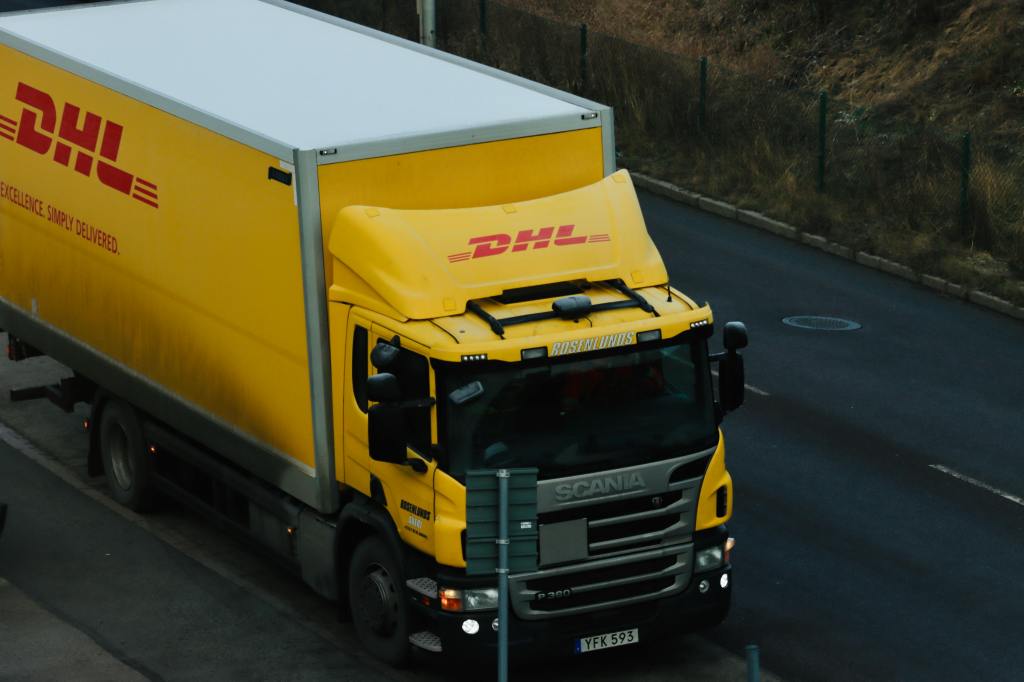
For example, a major e-commerce company partnered with DHL to streamline their delivery processes. Using DHL’s real-time tracking solution, the company was able to reduce the number of delayed shipments and ensure that customers were informed about their order’s estimated arrival time. As a result, the e-commerce company saw a significant improvement in customer satisfaction and a reduction in customer service inquiries.
Additionally, DHL’s system enabled the company to gain real-time insights into transportation routes, identify potential bottlenecks, and optimize delivery routes. This not only resulted in reduced delivery times but also contributed to cost savings by minimizing the need for last-minute express deliveries and route adjustments.
Conclusion
In the fast-evolving world of global logistics, real-time tracking has emerged as a vital tool for businesses striving to stay competitive, meet customer demands, and optimize their supply chain operations. From improving visibility and decision-making to enhancing customer satisfaction and reducing operational costs, real-time tracking systems are revolutionizing the logistics industry.
As consumer expectations continue to rise, the importance of having access to accurate, up-to-date information on shipments cannot be overstated. Real-time tracking not only enables businesses to stay ahead of disruptions but also helps build trust and loyalty with customers. In an age where speed, efficiency, and transparency are key to success, adopting real-time tracking solutions is no longer optional—it’s essential for global logistics success.
By investing in technology that enables real-time tracking, businesses can enhance their supply chain efficiency, reduce costs, and improve the overall customer experience, paving the way for long-term growth and success.


 FLCC SOLUTIONS
Leave a reply to Why is Fleet Management Important in Logistics – FLCC SOLUTIONS Cancel reply