

Ensuring the security of goods in transit is a critical concern for businesses that depend on efficient and safe delivery of products. Whether it’s raw materials being shipped to a manufacturing plant or consumer goods being delivered to customers, protecting these items during transit is crucial for maintaining the integrity of the supply chain and safeguarding your bottom line.
Theft, damage, and loss of goods during transit can result in significant financial losses, disrupted operations, and diminished customer trust. Fortunately, with the advent of modern technology, industry best practices, and a proactive approach to risk management, securing goods in transit has become more manageable than ever before.
We will explore the best practices for ensuring the security of goods during transit and provide two case studies to highlight how logistics companies successfully implemented security measures to safeguard their shipments.
- What is Good In Transit (GIT) ?
- Examples of goods in transit:
- Use of Advanced Tracking Systems for Goods in transit
- Implementing Secure Packaging
- Choosing Reliable Transportation Partners
- Monitoring Environmental Conditions
- Secure Loading and Unloading Procedures
- Risk Assessment and Contingency Planning
- Using Secure Parking and Staging Areas
- Employing CCTV and Surveillance
- Utilizing Insurance Coverage
- Case Study 1: Maersk’s Security Measures for Global Cargo
- Case Study 2: FedEx’s Cargo Security Measures for Sensitive Shipments
- Conclusion
What is Good In Transit (GIT) ?
GIT – “Goods in transit” refers to items or products that are being transported from one location to another, typically as part of the supply chain or logistics process. These goods are in the process of being moved between the seller (or manufacturer) and the buyer (or customer), and they may be traveling via various transportation methods, such as trucks, ships, airplanes, or trains.
During this time, the goods are not yet at their final destination, meaning they are in transit between the point of origin (like a warehouse or production facility) and the point of delivery (like a retailer, customer, or another business).
The term “goods in transit” is often used in logistics, inventory management, and insurance to refer to products that are on the move and are subject to transportation risks such as damage, theft, or delays.
Examples of goods in transit:
- A shipment of electronics being delivered from a manufacturer to a retailer.
- Raw materials being transported from one plant to another for processing.
- A customer’s online order being shipped from a distribution center to their home.
In summary, goods in transit are items that are in the process of being delivered, and ensuring their safety and timely delivery is critical for businesses involved in transportation and logistics.
Use of Advanced Tracking Systems for Goods in transit
One of the most effective ways to secure goods in transit is by implementing real-time tracking systems. By using GPS tracking, RFID tags, and IoT (Internet of Things) sensors, businesses can monitor the location of goods in real-time. These systems allow businesses to track shipments along every stage of their journey, from the moment the goods leave the warehouse to their final destination.
Real-time tracking serves as an early warning system in case of any deviations from the planned route or delays. For example, if goods are diverted from their scheduled path or experience unexpected stops, security personnel can take immediate action to investigate potential threats.
Implementing Secure Packaging
Proper packaging is vital for protecting goods in transit. Secure packaging helps prevent damage during transportation and reduces the risk of theft. Depending on the type of goods being transported, packaging can range from simple boxes to custom-designed crates, pallets, or even temperature-controlled containers for perishable goods.
For high-value or sensitive items, businesses should consider using tamper-evident packaging that will show any signs of unauthorized access. Anti-theft packaging, such as shrink-wrap or reinforced containers, can further reduce the risk of theft during transit.
Choosing Reliable Transportation Partners
The security of goods in transit is not only dependent on the company managing the shipment but also on the quality and reliability of the transportation partners they choose. Businesses should carefully vet their logistics providers to ensure they have a strong track record of safety and security.
Working with reputable carriers that follow industry standards and regulations for cargo security can significantly reduce the risk of theft and damage. Additionally, logistics providers should invest in staff training and ensure their drivers are familiar with the best practices for cargo security, including safe parking, locking mechanisms, and route planning.
Monitoring Environmental Conditions
Some goods require specific environmental conditions to ensure they remain secure during transit. This is particularly true for perishable items, pharmaceuticals, and fragile materials. Monitoring environmental factors such as temperature, humidity, and shock levels is critical in preventing product spoilage or damage.
Using IoT-enabled sensors to monitor environmental conditions in real-time can provide alerts when conditions fall outside acceptable parameters. This allows businesses to take corrective action before products are compromised, ensuring their security throughout the transit process.
Secure Loading and Unloading Procedures
The loading and unloading processes are crucial stages where security breaches can occur. To minimize risks, businesses should implement secure loading procedures that ensure goods are loaded safely and securely onto vehicles. This includes using locking mechanisms and securing the cargo with straps, ropes, or other restraints.
- Always ensure that all PODs (Proof of Delivery) are submitted to everyone.
- Always ensure that all POLs (Proof of Loading) are submitted to everyone.
- With Diesel on account, ensure that all Diesel slips are submitted to everyone.
Additionally, it’s important to follow standardized unloading procedures at the destination to avoid unauthorized access to the cargo. Restricting access to loading docks and ensuring that only authorized personnel handle the unloading process are essential steps in preventing theft and damage.
Risk Assessment and Contingency Planning
No matter how many security measures are in place, there is always some risk when goods are in transit. To mitigate these risks, businesses should conduct thorough risk assessments to identify potential threats and vulnerabilities. This assessment should cover factors such as the nature of the goods being transported, the route taken, and the security infrastructure of the regions through which the goods will pass.
Once risks are identified, businesses should develop a contingency plan to handle potential disruptions. This may include having backup routes, alternative suppliers, and emergency response protocols in place. Proactive planning helps businesses respond quickly in case of a security breach or unexpected event.
Using Secure Parking and Staging Areas
When transporting goods over long distances, especially during overnight stops, secure parking areas are essential to ensure the safety of the goods. Vehicles carrying valuable or sensitive cargo should park in well-lit, secure areas with restricted access to prevent theft or tampering.
Some logistics companies opt to use secure staging areas for overnight stops, where drivers and security personnel can monitor cargo. These areas often have additional security measures, such as fencing, surveillance cameras, and on-site security guards, to provide extra protection during transit breaks.
Employing CCTV and Surveillance
CCTV cameras and surveillance systems play an important role in monitoring goods while in transit, especially during key touchpoints like warehouse facilities, transit hubs, and border crossings. High-quality video surveillance can help deter theft and provide valuable evidence in the event of a security incident.
Additionally, cameras and GPS systems on transport vehicles can allow real-time monitoring by logistics managers, ensuring that any security concerns are addressed promptly.
Utilizing Insurance Coverage
Despite the best efforts to secure goods in transit, unforeseen events can still occur. To mitigate financial losses, businesses should ensure that they have comprehensive GIT insurance coverage. This will protect against risks such as theft, damage, or loss of goods during transit.
Cargo insurance policies should be tailored to the specific needs of the business, depending on the type of goods being shipped and the value of the cargo. Having insurance coverage can help businesses recover financially if goods are damaged or stolen, minimizing the impact of security breaches.
Case Study 1: Maersk’s Security Measures for Global Cargo
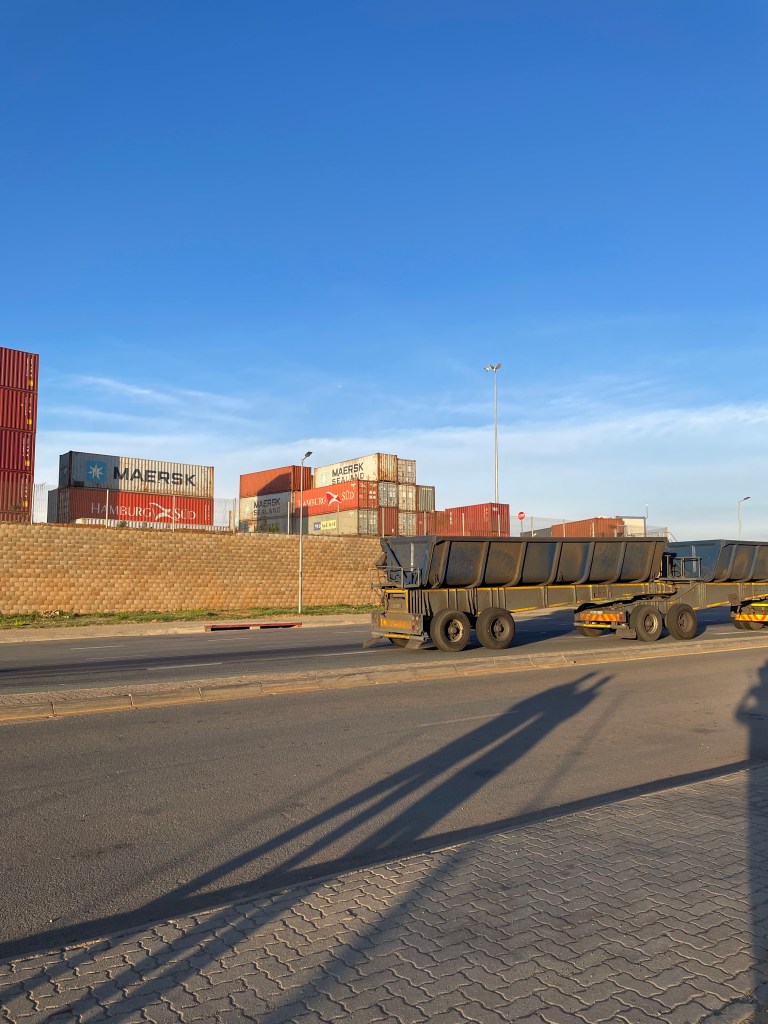
Maersk, one of the world’s largest container shipping companies, has implemented a series of innovative security measures to ensure the safety of its cargo during global transit. Faced with the challenge of transporting billions of dollars’ worth of goods across oceans and borders, Maersk adopted a combination of technology and best practices to enhance cargo security.
One of Maersk’s key initiatives is its use of advanced container tracking technology. By equipping containers with GPS and RFID tracking devices, the company can monitor the location of goods in real-time, allowing for immediate intervention in case of any route deviations or unexpected stops. This proactive monitoring helps to prevent theft and ensures that goods are delivered on schedule.
Additionally, Maersk uses secure containers with tamper-evident seals to prevent unauthorized access. These seals help ensure that if a container is tampered with, the breach will be immediately visible, allowing security personnel to take action.
Maersk also focuses on ensuring that its vessels and trucks are equipped with the latest surveillance technologies, including CCTV cameras and motion detectors, to provide additional layers of security during transit. This approach has helped the company maintain a high level of security for goods traveling through some of the most challenging regions in the world.
Case Study 2: FedEx’s Cargo Security Measures for Sensitive Shipments
FedEx, a global leader in logistics and shipping, has developed a robust system for securing sensitive cargo in transit, particularly for high-value or time-sensitive items. As part of its security efforts, FedEx offers a range of services, including package tracking, tamper-evident packaging, and specialized security procedures for high-risk shipments.
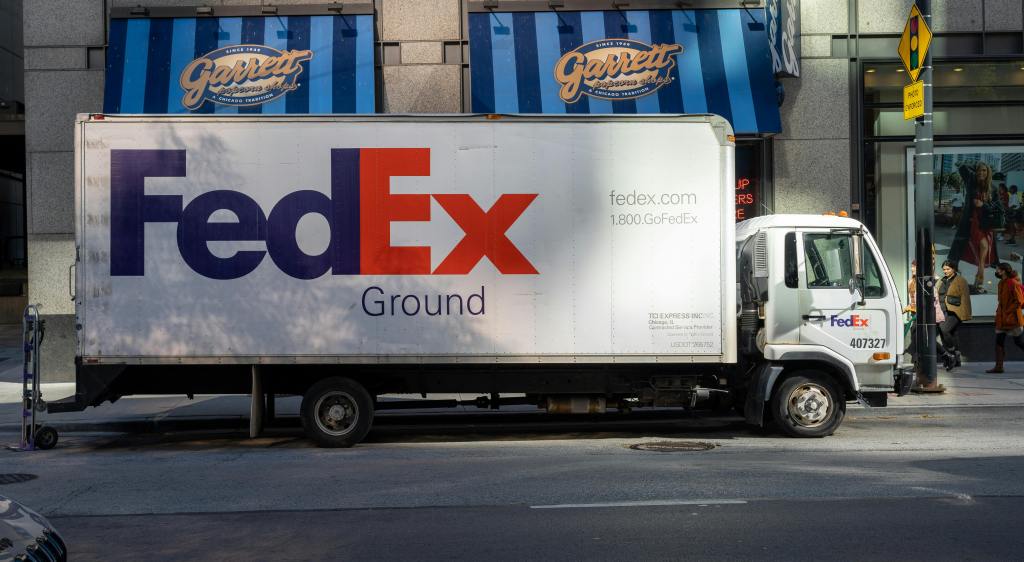
FedEx uses its proprietary tracking technology, called “FedEx Tracking,” which provides customers with real-time visibility of their shipments. The company ensures that all shipments are equipped with barcode labels and RFID tags for seamless tracking. This allows both FedEx and its customers to monitor shipments continuously and address any potential issues quickly.
For high-value shipments, FedEx utilizes a service known as “FedEx Custom Critical,” which focuses on the secure transportation of sensitive and high-value goods such as pharmaceuticals, medical supplies, and electronics. These shipments are often transported using climate-controlled vehicles with 24/7 security monitoring and are accompanied by specialized drivers who are trained in handling sensitive cargo.
Additionally, FedEx has partnered with industry-leading insurance providers to offer cargo insurance for valuable shipments. This provides an extra layer of protection and peace of mind for businesses shipping high-value goods.
Conclusion
The security of goods in transit is a top priority for businesses involved in the global supply chain. From adopting advanced tracking systems and secure packaging to choosing reliable transportation partners and implementing risk management practices, there are numerous ways to protect cargo during transit.
By following industry best practices, utilizing technology, and working with trusted partners, businesses can ensure the safety and security of their goods throughout the shipping process. In today’s highly competitive market, ensuring that products reach their destination safely is essential not only for maintaining profitability but also for building trust with customers and partners.
Investing in the right security measures is not just about reducing risks; it’s about creating a more efficient, reliable, and trustworthy supply chain.

 FLCC SOLUTIONS
Leave a reply to The Benefits and Challenges of Cross-Border Logistics in South Africa – FLCC SOLUTIONS Cancel reply