
Category: Commodities
-

How Mining Permits Are Issued in South Africa: A Guide
Mining in South Africa is regulated through a structured legal and administrative process designed to balance economic development, environmental protection, and social responsibility. Before any mining activity can begin, companies or individuals must obtain the necessary permits and rights from the relevant authorities. Understanding how mining permits are issued is essential for investors, developers, and…
-

The Future of Agriculture Commodities in a World of Climate Change
Agricultural commodities are the backbone of global food systems and trade. From staple crops such as maize and wheat to export products like coffee, sugar, and fruit, these commodities support economies, livelihoods, and food security across the world. However, climate change is rapidly reshaping how agricultural commodities are produced, traded, and consumed. Rising temperatures, shifting…
-
How South Africa is Encouraging Foreign Investment in the Mining Sector
Foreign investment has long played a critical role in the growth and sustainability of South Africa’s mining industry. As one of the world’s most resource-rich nations, South Africa continues to position itself as a leading destination for global mining capital. With vast reserves of platinum group metals, gold, manganese, coal, chrome, and rare earth elements,…
-

How South Africa’s Mining Industry Can Adapt to the Green Economy
The global shift toward a green economy is transforming industries across the world, and mining is no exception. As countries commit to reducing carbon emissions and transitioning to renewable energy, the demand for certain minerals is increasing, while environmental expectations are becoming stricter. For a resource-rich country like South Africa, the challenge is not whether…
-
The Role of Local Government in Approving Mining and Construction Permits
Mining and construction projects are major drivers of economic development, job creation, and infrastructure growth. However, before any project can break ground, it must go through a structured permit approval process. In South Africa, local government plays a central and often decisive role in approving mining and construction permits. While national and provincial departments issue…
-
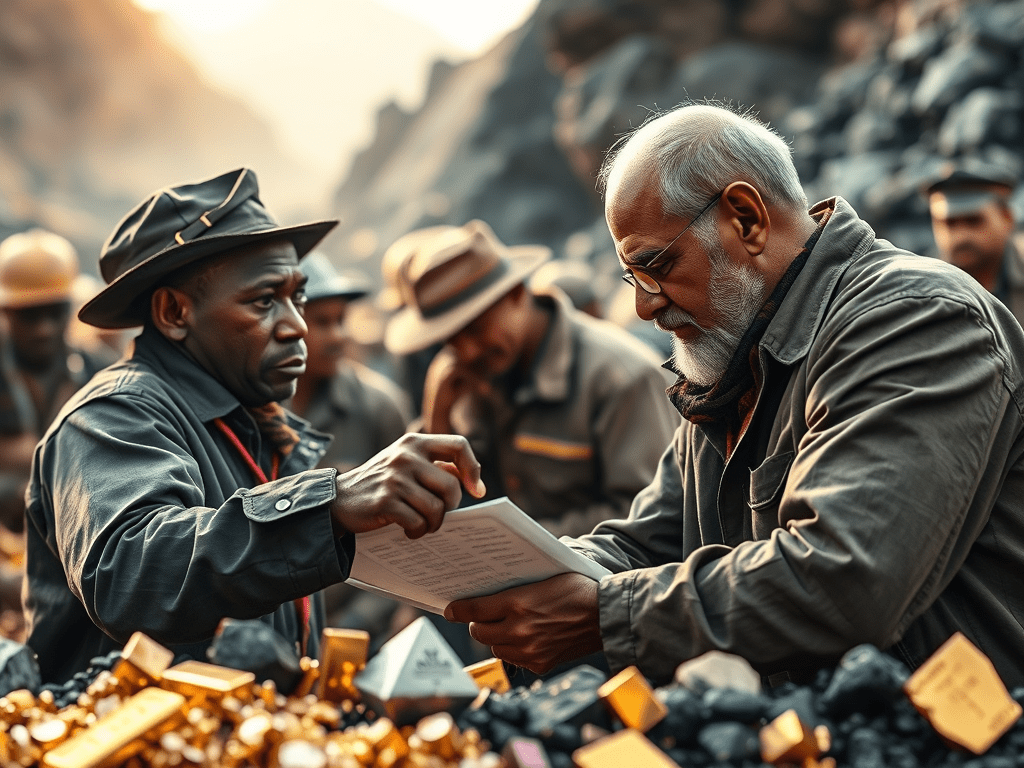
The Role of Middlemen in South African Mining: Bridging Opportunity or Blocking Equity?
South Africa’s mining sector is one of the most powerful engines of the economy. With rich deposits of gold, platinum, coal, manganese, chrome, and more, mining contributes significantly to GDP, exports, and employment. But behind every successful mining deal or mineral shipment, there is often a middleman—a broker, agent, or intermediary who facilitates the transaction…
-

What Happens When You Export Maize to Zimbabwe
Maize is one of the most traded agricultural commodities in Southern Africa. As a staple food, it plays a central role in food security, especially in countries like Zimbabwe that occasionally face droughts, production shortfalls, or economic constraints. If you’re a South African producer, transporter, or trader, you may have wondered: What actually happens when…
-
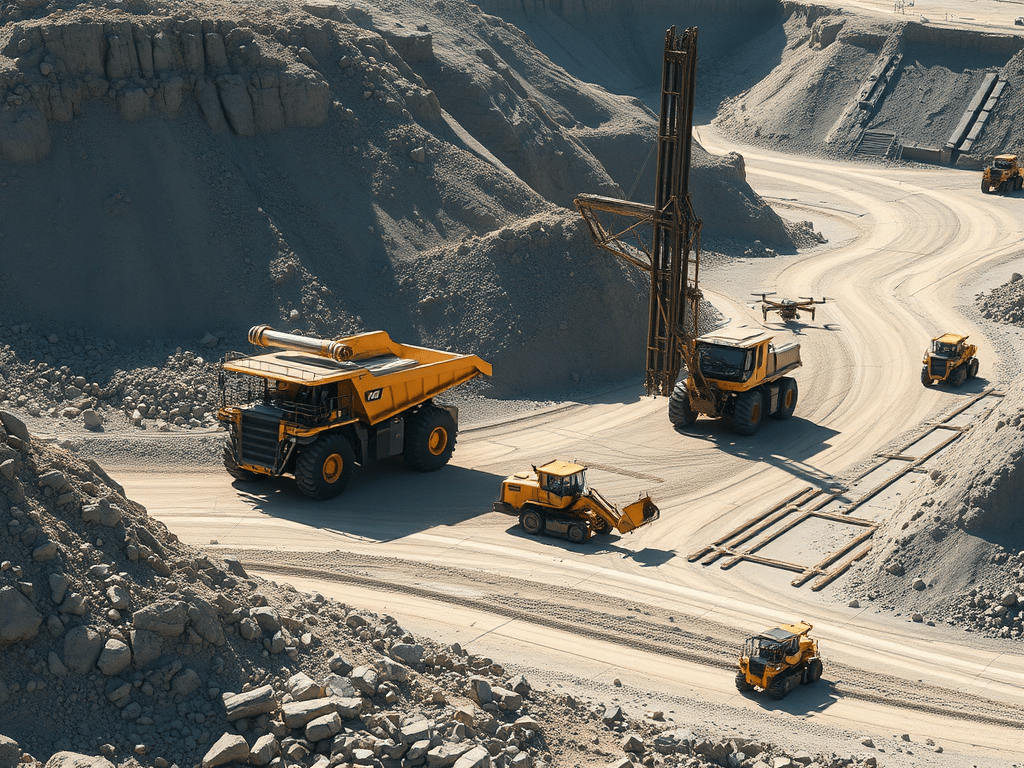
The Impact of Automation on Labor in the Mining Industry
As global demand for minerals and metals continues to grow, the mining industry is turning to automation to increase efficiency, reduce costs, and improve safety. From autonomous trucks to robotic drilling systems, mining operations are evolving rapidly through digital technologies. But this transformation is not without consequences, especially for the labor force that has long…
-

Strategies for Minimising the Environmental Impact of Mining Waste
Mining is essential to modern life. From the smartphones in our pockets to the buildings we live in, nearly everything we use contains materials extracted from the earth. However, the extraction process generates vast amounts of mining waste, including rock, tailings, slurry, and contaminated water, that can severely impact ecosystems, water quality, and human health…
-

How the Internet of Things (IoT) is Improving Mine Safety
Mining has long been one of the most dangerous industries in the world, with risks ranging from cave-ins and gas leaks to equipment failure and human error. As the demand for minerals increases and mines grow deeper and more complex, ensuring worker safety has become a top priority. Enter the Internet of Things (IoT), a…
 FLCC SOLUTIONS