
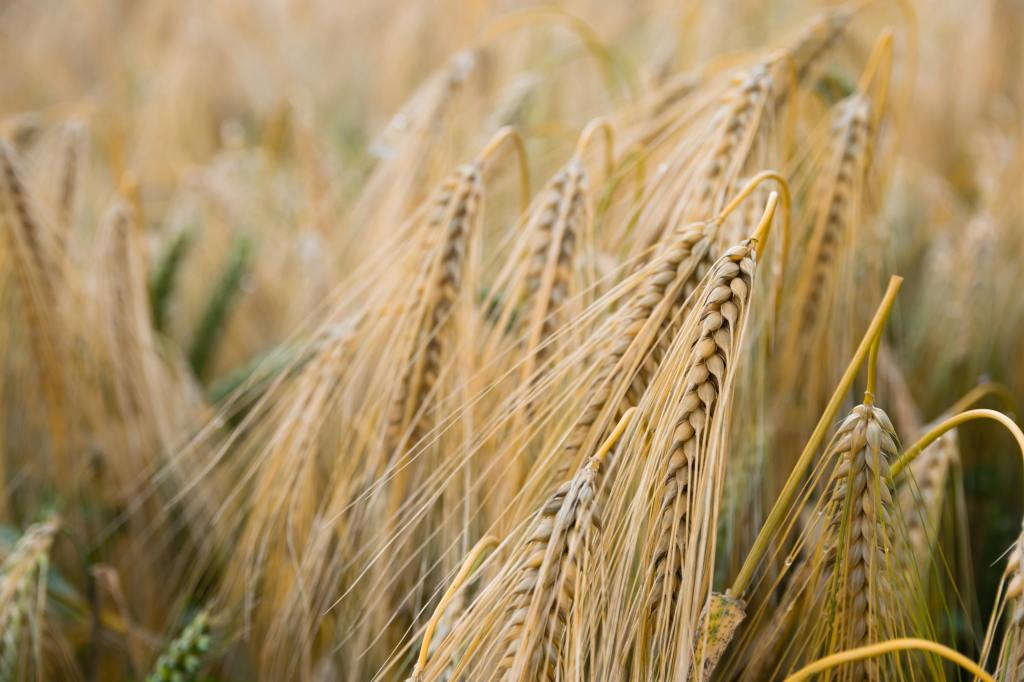
Agricultural commodities are the backbone of global food systems and trade. From staple crops such as maize and wheat to export products like coffee, sugar, and fruit, these commodities support economies, livelihoods, and food security across the world. However, climate change is rapidly reshaping how agricultural commodities are produced, traded, and consumed. Rising temperatures, shifting rainfall patterns, and extreme weather events are forcing farmers, governments, and agribusinesses to rethink traditional approaches to agriculture.
In countries like South Africa, where agriculture plays a vital role in rural employment and export earnings, adapting to climate change is not just an environmental issue—it is an economic necessity.
Climate Change and Its Impact on Agricultural Commodities
Climate change affects agriculture in multiple ways. Increasing temperatures can reduce crop yields, alter growing seasons, and increase the spread of pests and diseases. Unpredictable rainfall and prolonged droughts can devastate crops, while floods can destroy infrastructure and wash away fertile soil.
Key climate-related risks to agricultural commodities include:
- Reduced crop yields due to heat stress
- Water shortages affecting irrigation-dependent crops
- Increased frequency of droughts and floods
- Soil degradation and desertification
- Rising input costs, including water and energy
These risks threaten both food security and the stability of global commodity markets.
Shifting Global Crop Patterns
As climate conditions change, so too will the geography of agricultural production. Some regions may become less suitable for traditional crops, while others may become more productive.
For example:
- Warmer temperatures may allow certain crops to be grown in previously colder regions.
- Traditional crop belts may shift as rainfall patterns change.
- Heat-sensitive crops may see declining yields in tropical and subtropical regions.
Farmers and agribusinesses will need to adapt by changing crop varieties, adjusting planting schedules, and exploring alternative commodities.
The Rise of Climate-Resilient Crops
One of the most significant shifts in the future of agricultural commodities will be the increased importance of climate-resilient crops. These include:
- Drought-tolerant maize varieties
- Sorghum and millet, which are more resilient to heat and water stress
- Legumes that improve soil fertility
- Oilseeds adapted to changing weather patterns
In many parts of Africa, including South Africa, traditional crops such as sorghum and millet are gaining renewed attention as climate-smart alternatives.
Technology and Innovation in Agriculture
Technology will play a crucial role in protecting agricultural commodity production in a changing climate. Innovations include:
- Precision agriculture using satellite data and sensors
- Climate-smart irrigation systems
- Drought-resistant seed varieties
- Digital weather forecasting tools
- Automated and energy-efficient farm equipment
These technologies can help farmers use water, fertilizers, and energy more efficiently while maintaining or even increasing yields.
The Role of Sustainable Farming Practices
Sustainable agricultural practices will become increasingly important as climate pressures intensify. These practices aim to maintain productivity while protecting natural resources.
Key approaches include:
- Conservation agriculture and minimal soil disturbance
- Crop rotation to improve soil health
- Agroforestry systems that combine trees and crops
- Organic and regenerative farming techniques
- Improved water management strategies
Such practices not only reduce environmental impact but also improve long-term farm resilience.
Changing Global Trade Dynamics
Climate change is expected to reshape global agricultural trade. Countries that can adapt quickly may gain a competitive advantage, while others may struggle with declining production.
Potential trade impacts include:
- Increased demand for climate-resilient crops
- Greater price volatility due to weather-related supply shocks
- Shifts in export and import patterns
- New trade opportunities in emerging commodities
Export-oriented agricultural economies will need to monitor climate trends closely and adjust production strategies accordingly.
The Importance of Policy and Investment
Governments and financial institutions will play a critical role in supporting the transition to climate-resilient agriculture. Key areas of focus include:
- Investment in agricultural research and development
- Climate-smart infrastructure such as irrigation and storage
- Crop insurance programs for climate-related risks
- Incentives for sustainable farming practices
- Improved rural transport and logistics systems
Public and private investment will be essential to ensure stable agricultural commodity supply chains.
Challenges Facing the Agricultural Sector
Despite the opportunities for adaptation, several challenges remain:
- High costs of new technologies
- Limited access to finance for small-scale farmers
- Inadequate rural infrastructure
- Water scarcity in many regions
- Lack of climate data and technical support
Addressing these challenges will require coordinated efforts between governments, agribusinesses, research institutions, and farmers.
Conclusion
The future of agricultural commodities will be shaped by the realities of climate change. While the risks are significant, they also present opportunities for innovation, diversification, and more sustainable farming systems.
By adopting climate-resilient crops, investing in technology, improving water management, and supporting sustainable practices, the global agricultural sector can adapt to changing conditions. For countries like South Africa, proactive adaptation will be key to protecting food security, supporting rural livelihoods, and maintaining a strong position in global agricultural markets.
 FLCC SOLUTIONS
Leave a comment