
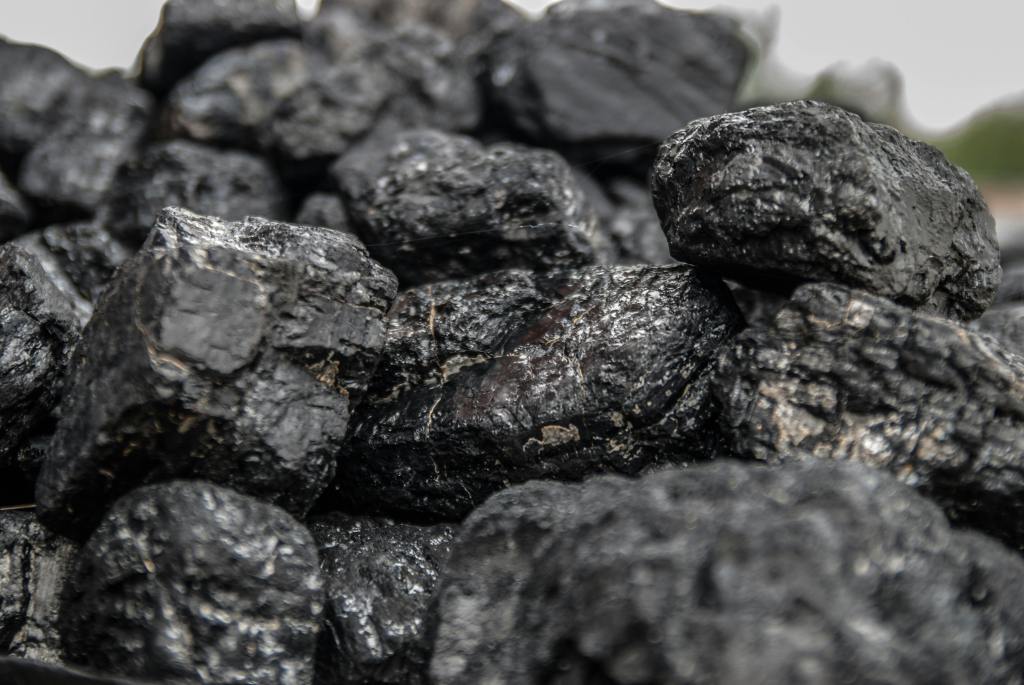
Foreign investment has long played a critical role in the growth and sustainability of South Africa’s mining industry. As one of the world’s most resource-rich nations, South Africa continues to position itself as a leading destination for global mining capital. With vast reserves of platinum group metals, gold, manganese, coal, chrome, and rare earth elements, the country remains strategically important in global mineral supply chains.
However, attracting foreign direct investment (FDI) in mining requires more than just mineral wealth. Investors seek regulatory certainty, infrastructure reliability, political stability, and competitive returns. In response, South Africa has implemented several measures aimed at strengthening investor confidence and encouraging new exploration and development projects.
Strengthening the Regulatory Framework
One of the primary tools used to encourage foreign investment is regulatory reform. The mining industry in South Africa is governed by legislation administered by the Department of Mineral Resources and Energy (DMRE). Over recent years, government efforts have focused on improving transparency, clarifying licensing procedures, and modernising application systems.
Key improvements include:
- Digital mining rights application systems to reduce administrative delays
- Clearer guidelines on mining rights, prospecting rights, and renewals
- Policy updates aimed at reducing regulatory uncertainty
Regulatory certainty is critical for long-term mining investments, which often require billions of rand in capital expenditure and operate over decades.
Promoting Exploration Investment
Exploration is the foundation of mining growth, yet South Africa has historically underperformed in attracting exploration spending compared to other mining jurisdictions.
To address this, government and industry stakeholders have introduced initiatives such as:
- Geological data accessibility programs
- Incentives to encourage junior mining companies
- Public-private partnerships to promote exploration funding
By improving geological data transparency and access, South Africa makes it easier for foreign investors to assess mineral potential and reduce exploration risk.
Investment Promotion Initiatives
South Africa actively promotes mining investment through international roadshows, mining conferences, and bilateral trade agreements. Events such as mining investment summits create platforms for foreign investors to engage directly with policymakers and industry leaders.
The country’s participation in global mining events, including those held in major financial hubs, helps showcase:
- Mineral potential
- Infrastructure development plans
- Policy reforms
- Opportunities in green minerals and battery metals
These engagements position South Africa as a competitive and evolving mining destination.
Focus on Critical and Green Minerals
The global shift toward renewable energy and electric vehicles has significantly increased demand for critical minerals. South Africa is leveraging this opportunity by promoting investment in minerals essential for the green economy, including:
- Platinum group metals for hydrogen fuel cells
- Manganese for battery production
- Vanadium for energy storage systems
By aligning its mineral strategy with global clean energy trends, South Africa is attracting investors seeking long-term exposure to the green transition.
Infrastructure Development and Energy Reform
Reliable infrastructure is essential for mining operations. Recognising past challenges related to electricity supply and logistics constraints, South Africa has introduced reforms aimed at improving energy and transport systems.
Key developments include:
- Allowing private energy generation projects
- Encouraging renewable energy investment by mining companies
- Strengthening public-private partnerships in rail and port operations
Improved energy security and logistics performance are vital factors that influence foreign investor decisions.
Empowerment and Inclusive Growth
South Africa’s mining framework incorporates transformation and empowerment objectives aimed at promoting inclusive economic participation. While compliance requirements can sometimes be seen as complex, they also provide opportunities for structured partnerships between foreign investors and local stakeholders.
Foreign mining companies entering the market often engage in:
- Joint ventures with local firms
- Community development agreements
- Skills development and employment programs
These measures aim to balance investor returns with social and economic transformation.
Bilateral Trade Agreements and Investment Protection
South Africa maintains various trade relationships and investment agreements that provide additional comfort to foreign investors. These agreements support cross-border capital flows and protect investments under international legal standards.
By aligning its trade policies with global economic partners, South Africa strengthens its appeal as a secure long-term mining destination.
Addressing Challenges to Attract More Capital
While progress has been made, challenges remain. Investors often consider:
- Regulatory delays
- Energy reliability concerns
- Infrastructure bottlenecks
- Policy consistency
Ongoing reforms are focused on improving efficiency, streamlining licensing, and enhancing investor communication. Continued collaboration between government and the private sector will be essential to maintain competitiveness against other mining jurisdictions.
Conclusion
South Africa’s mineral wealth alone is not enough to guarantee sustained foreign investment. By strengthening regulatory certainty, promoting exploration, investing in infrastructure reform, and aligning its mining strategy with global green economy trends, the country is actively working to attract and retain international capital.
With strategic policy improvements and continued engagement with global investors, South Africa remains one of Africa’s most significant and promising mining investment destinations.
 FLCC SOLUTIONS
Leave a comment