
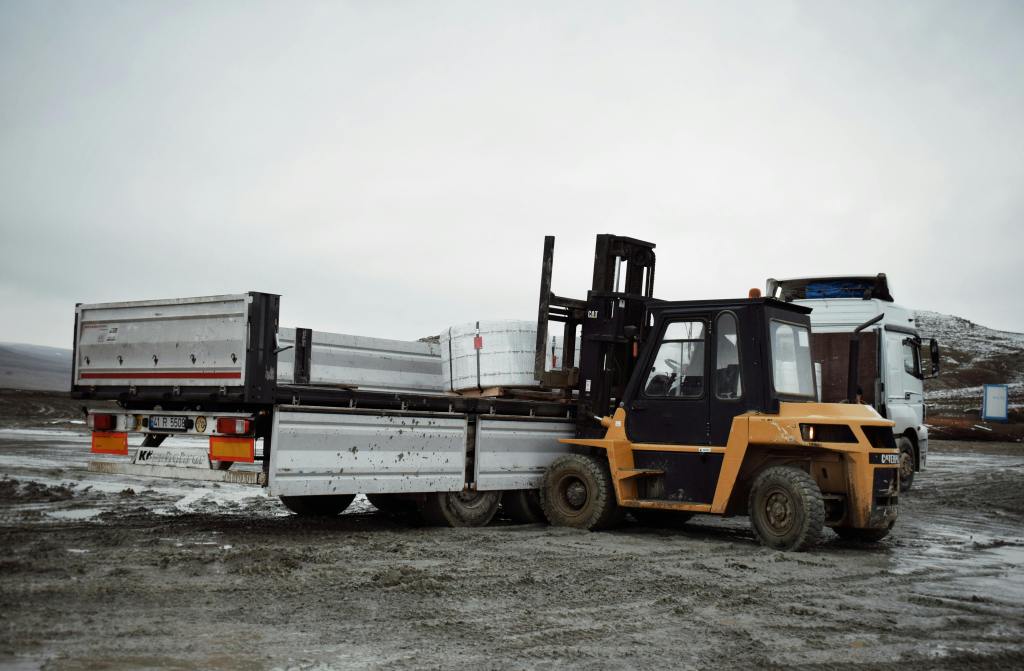
Tipper trucks play a critical role in South Africa’s construction, mining, roadworks, waste removal, and bulk material transport sectors. From hauling sand in Gauteng to moving coal in Mpumalanga or rubble in the Western Cape, demand for reliable tipper trucks remains strong.
However, the high cost of purchasing a tipper truck outright—often R900,000 to over R2 million—has made rent-to-own tipper truck options increasingly popular among South African contractors and transport businesses.
This article explores the local pros and cons of tipper truck rent-to-own in South Africa, helping you make an informed business decision.
What Does Tipper Truck Rent-to-Own Mean in South Africa?
In the South African context, rent-to-own is a structured rental agreement where a business pays a fixed monthly amount over a period (usually 36–60 months). At the end of the term, ownership of the tipper truck is transferred to the operator.
This model is commonly used by:
- Small construction companies
- Owner-drivers
- Black-owned SMMEs
- Contractors servicing municipal, SANRAL, and private developers
Pros of Tipper Truck Rent-to-Own in South Africa
1. Lower Capital Barrier for SMMEs
Many South African businesses struggle to secure large loans due to high interest rates and strict bank requirements. Rent-to-own allows operators to access a tipper truck with little to no deposit, preserving working capital.
Local relevance: Ideal for CIDB-registered contractors and startups.
2. Easier Approval Than Bank Vehicle Finance
Traditional banks often require:
- Strong credit history
- Financial statements
- Large deposits
Rent-to-own providers typically assess:
- Cash flow
- Existing haulage contracts
- Operational experience
This is particularly beneficial for informal or growing transport businesses.
3. Immediate Entry Into Income-Generating Work
In provinces like Gauteng, Mpumalanga, and Limpopo, tipper trucks are in constant demand for road construction, mining, and housing projects. Rent-to-own allows operators to start earning immediately, instead of waiting months for loan approval.
4. Ownership After Contract Completion
Unlike short-term rental, rent-to-own leads to full ownership, allowing the truck to:
- Be resold
- Be used as collateral
- Support expansion into additional contracts
This is valuable for long-term business growth.
5. Maintenance Support Reduces Downtime
Some South African rent-to-own providers include:
- Scheduled servicing
- Tyre replacements
- Breakdown assistance
This is especially important given long distances, rough terrain, and heavy loads typical in local operations.
6. Fixed Monthly Costs Help Cash Flow Planning
With volatile fuel prices and operational costs in South Africa, fixed monthly payments make it easier to plan budgets and manage cash flow.
7. Useful for Government and Municipal Contracts
Rent-to-own trucks are commonly used to meet municipal tender and subcontracting requirements, especially where proof of access to equipment is required rather than outright ownership.
Cons of Tipper Truck Rent-to-Own in South Africa
1. Higher Total Cost Over Time
Due to:
- Interest
- Risk premiums
- Maintenance packages
Rent-to-own often costs more than outright purchase in the long run.
Local factor: High repo risk in SA increases financing costs.
2. Limited Choice of Truck Brands and Specs
Most providers offer commonly used models such as:
- FAW
- SinoTruk
- Isuzu
- UD Trucks
Premium brands like Scania or Volvo may be limited or more expensive.
3. Contractual Restrictions
Rent-to-own contracts often include:
- Load limits
- Mileage caps
- Approved operating zones
Operating outside these terms—common in rural or mining areas—may result in penalties.
4. No Ownership Until Final Payment
Until the final instalment is paid:
- The truck belongs to the provider
- Missed payments may lead to repossession
This risk is significant during industry slowdowns or delayed payments from clients.
5. Compliance and Operating Costs Remain the Operator’s Responsibility
Even with rent-to-own, operators must often cover:
- Roadworthy certificates
- Tracking systems
- Insurance
- Driver compliance (PDPs, COF)
These costs can strain smaller businesses.
6. Vulnerability to Construction Market Fluctuations
South Africa’s construction and mining sectors are cyclical. If projects are delayed or cancelled, monthly payments still apply, increasing financial pressure.
Is Tipper Truck Rent-to-Own a Good Option in South Africa?
Rent-to-own works best for operators who:
- Have secured haulage or construction contracts
- Operate consistently in high-demand regions
- Are building long-term transport businesses
It may not suit operators relying on sporadic or informal work.
Key South African Considerations Before Signing
Before committing, assess:
- Total contract value vs truck market value
- Maintenance exclusions
- Fuel and insurance responsibilities
- Provider track record and references
- Early termination penalties
Final Thoughts
Tipper truck rent-to-own in South Africa provides an accessible route into the transport and construction industry, especially for emerging contractors and SMMEs. While it lowers entry barriers, it also carries higher long-term costs and contractual risks.
Careful evaluation of your cash flow, contracts, and operating environment is essential before signing any agreement.
 FLCC SOLUTIONS
Leave a comment