
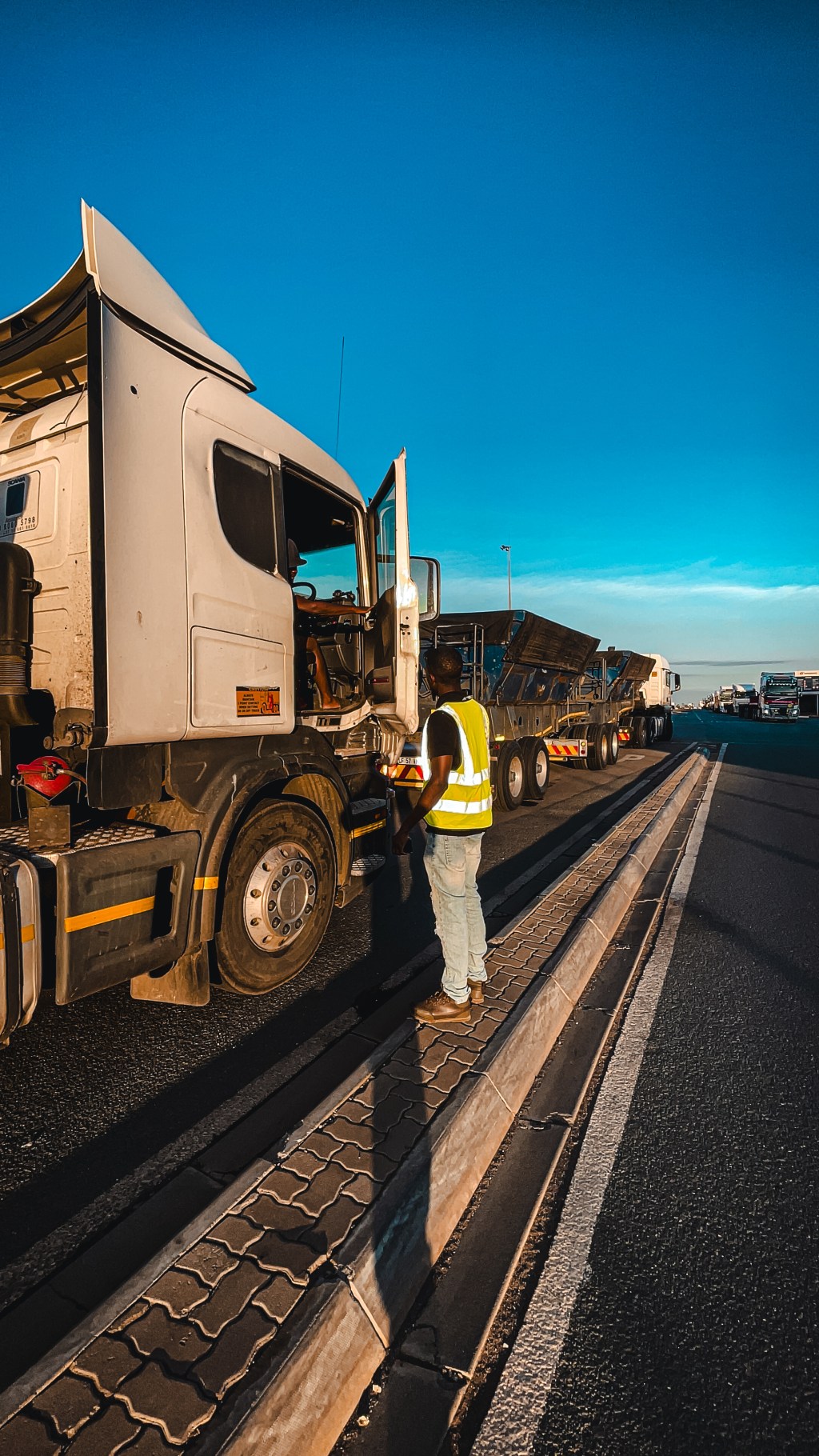
The logistics and transport sector is the lifeblood of many industries in South Africa, especially in mining, agriculture, and construction. One of the most commonly used heavy-duty transport vehicles is the 34-ton side tipper truck, a massive, efficient hauler known for its ability to move bulk materials like coal, chrome, manganese, grain, or aggregates with ease.
Whether you’re an established transporter or a newcomer to the industry, renting a 34-ton side tipper is a serious business decision. Mistakes can cost thousands of rands, result in fines, downtime, or even damage to your reputation.
Here’s everything you need to know before renting a 34-ton side tipper, from contracts and compliance to scams and bonus features.
What Exactly Is a 34-Ton Side Tipper?
A 34-ton side tipper is a type of interlink trailer that has a hydraulic mechanism allowing it to offload cargo by tipping to the side—rather than the rear. This is particularly useful in sites where there’s limited space or where back-tipping is impractical.
A standard 34-ton tipper configuration includes:
- Two trailers (interlink)
- Total payload capacity of 34 tonnes
- A hydraulic tipping system on each trailer
- Tough steel bodies designed to transport heavy, abrasive, or loose materials
They are widely used in mining, construction, bulk commodity transport, and infrastructure projects.
1. Know Your Load Requirements
Not all tippers are created equal. The type of load you plan to carry determines what kind of tipper you should rent. You need to know:
- Material type: Is it fine (like grain), coarse (like stones), or wet (like coal with high moisture)?
- Volume vs. weight: Will you fill the trailer by weight (tons) or volume (cubic metres)?
- Body configuration: Grain bodies differ from rock bodies or coal-specific tippers.
- Corrosiveness or abrasiveness: Some materials wear out trailer linings faster.
Choosing the wrong tipper body for your load could result in damage, higher costs, and failed deliveries.
2. Understand the Rental Agreement in Detail
Before signing, read your rental contract thoroughly. Look for:
- Duration: Is the rental short-term (daily/weekly) or long-term (monthly/annually)?
- Rate structure: Are there hidden fees or charges for exceeding mileage?
- Responsibility clauses: Who handles maintenance, roadworthiness, or breakdowns?
- Insurance terms: Is Goods in Transit (GIT) cover included?
- Breakdown policy: Will the company send support, or are you on your own?
- Penalties: Are there late-return or damage charges?
Never rent from a company that offers vague or verbal agreements only.
3. Inspect the Equipment First
Always inspect the vehicle before accepting it—even if the rental company is well-known. Look out for:
- Tyre wear and pressure
- Brake systems
- Lights and indicators
- Hydraulic cylinders and hoses
- Tipper bodies for cracks or rust
- Registration, COF (Certificate of Fitness), and license disc
Take pictures and videos for your records. If anything goes wrong later, you’ll have proof of the condition at handover.
4. Confirm Route and Permit Requirements
Depending on your load and destination, you may need:
- Route clearance permits for abnormal or high-weight loads
- Access permits for mines or construction sites
- Weighbridge documentation
- Escort vehicles for certain provincial roads
Many transporters have lost time and money because of last-minute route compliance issues. The rental company should guide you here, or offer permit assistance.
5. Avoid Rental Scams
The side tipper market is a hotbed for scam operations, especially online. Some warning signs include:
- Rental deals that are too cheap
- No physical yard address
- Pressure to pay a full deposit upfront
- Untraceable emails or cell numbers only
- No registration with CIPC or SARS
To protect yourself:
- Visit the premises in person
- Ask for a company registration number
- Check for online reviews or trade history
- Never make payments without an invoice or formal contract
6. Understand What’s Included and What’s Not
Many people rent a side tipper only to find themselves surprised by extra costs. Ask the rental company:
- Is fuel included (most often it isn’t)?
- Is the rental wet hire (with driver) or dry hire (without driver)?
- Who pays for toll fees, tyres, or downtime?
- Are there kilometre limits or long-haul charges?
Create a full cost estimate before the project begins. This ensures that your profit margin stays intact.
7. Compliance and Insurance Are Non-Negotiable
Every rented tipper must be:
- Roadworthy
- Licensed and COF-certified
- Carrying valid insurance for GIT, third-party damage, and cargo theft
If you cross borders (like into Zimbabwe, Botswana, or Mozambique), you’ll need:
- Cross-border permits
- SAD500 forms
- Transit insurance
Ask the rental provider if they’ve done cross-border runs before and if they assist with export documentation.
8. Choose a Reputable Rental Partner
Work only with reputable providers who:
- Have a fleet of maintained vehicles
- Offer contractual guarantees
- Provide 24/7 support
- Have experience in your industry (mining, construction, etc.)
Also consider:
- How long they’ve been in business
- Whether they operate from a verifiable address
- If they provide GPS tracking, dash cams, or monitoring tools
Use Fleet Monitoring and Telematics
Some of the best rental providers offer fleet tracking systems, which allow you to:
- Track truck location in real-time
- Monitor speed and driver behaviour
- Receive alerts for route deviations or unscheduled stops
- View trip summaries and reports
Fleet monitoring can improve accountability, security, and operational planning, especially for valuable or time-sensitive loads.
Conclusion
Renting a 34-ton side tipper is a strategic decision that can support your project’s success—or sabotage it if done poorly. In industries where time, load quality, and safety are everything, you can’t afford shortcuts.
By doing your homework, reading contracts, and inspecting vehicles properly, you’ll reduce risk and increase delivery efficiency. A reliable rental partner won’t just give you a truck—they’ll offer peace of mind, logistical support, and a real opportunity to grow your business.
Whether you’re transporting minerals from Rustenburg, aggregates to Gauteng, or grain across provinces, remember: a well-informed renter is always a step ahead.
 FLCC SOLUTIONS
Leave a comment