
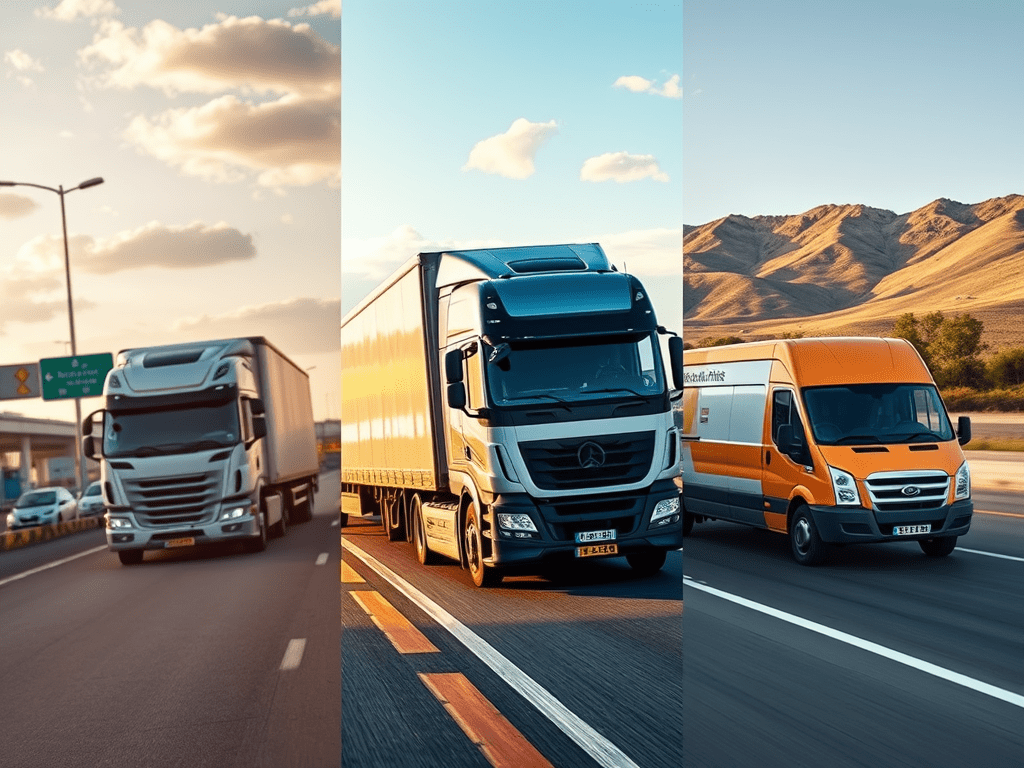
In the logistics and transport industry, not all freight is created equal, and neither are the routes. Whether you’re moving coal from Mpumalanga to Durban, maize from South Africa to Zimbabwe, or construction materials between Gauteng suburbs, the type of haul determines your planning, permits, costs, and strategy.
Three key terms dominate the conversation: cross-border hauls, long hauls, and short hauls. Each comes with unique logistics, documentation, and operational challenges. If you’re in transport or supply chain management, understanding these distinctions can boost your efficiency and profitability.
What Are Hauls in Logistics?
In logistics, a haul refers to the distance and nature of transporting goods from one location to another. The distance, border control, time, and infrastructure involved determine the classification of a haul.
Let’s break down the three most common types:
Cross-Border Hauls
Definition:
Cross-border hauls involve transporting goods from one country to another, crossing national boundaries. In Southern Africa, this often includes routes between South Africa and Zimbabwe, Botswana, Mozambique, Namibia, or Zambia.
Key Features:
- Customs and duties must be cleared.
- Documentation such as export permits, SAD500 forms, commercial invoices, and transit insurance is required.
- Trucks must carry cross-border permits and sometimes undergo inspections.
- Involves longer waiting times at border posts (e.g., Beitbridge or Lebombo).
- Typically longer distances with more risks and administrative processes.
Common Requirements:
- Cross-border permit (via South African Cross-Border Road Transport Agency – C-BRTA)
- Vehicle and driver documentation
- Roadworthiness certificates
- Goods in Transit (GIT) insurance
- Carnet de Passage (in some cases)
- Border fee payments and broker coordination
Example Route:
Maize from Free State, South Africa to Harare, Zimbabwe
Long Hauls
Definition:
Long hauls refer to transport over extensive distances within the same country, typically over 400–500 kilometres or more. These hauls demand proper vehicle planning, resting schedules, and fuel management.
Key Features:
- Stays within national borders
- Involves highway and inter-provincial routes
- Requires larger trucks (e.g., interlink or articulated trucks)
- Often includes overnight trips and rest periods
- Less admin than cross-border but still demands road safety compliance
Common Loads:
- Coal from Mpumalanga to Richards Bay
- Chrome from North West to Port Elizabeth
- Machinery transported between provinces
Important Considerations:
- Toll fees, weighbridge compliance, and traffic regulations
- Resting points for drivers (per labour laws)
- Route planning for fuel availability and road conditions
Example Route:
Chrome haul from Rustenburg to Durban Harbour (±700km)
Short Hauls
Definition:
Short hauls involve the transport of goods over relatively short distances, usually under 300 km. This is typically intra-provincial or within a city-region.
Key Features:
- Short travel time (often within the same day)
- Lower fuel costs and minimal overnight needs
- Ideal for last-mile delivery, construction supply, or urban logistics
- Often uses smaller vehicles or rigid-body trucks
Common Use Cases:
- Delivering bricks from a depot in Pretoria to a site in Centurion
- Transporting steel rods across Johannesburg industrial zones
- Moving goods from warehouses to retail stores
Key Advantages:
- Faster turnaround times
- Lower maintenance risk
- More predictable delivery schedules
- Easier to manage fleet and driver rotation
Example Route:
Delivering building supplies from Midrand to Soweto (±45 km)
Comparative Table
| Feature | Cross-Border Hauls | Long Hauls | Short Hauls |
|---|---|---|---|
| Distance | International (100s to 1000s of km) | 400–1000+ km | Under 300 km |
| Borders Crossed | Yes (at least one country border) | No | No |
| Documentation | Extensive (permits, customs, insurance) | Basic (waybills, permits) | Minimal paperwork |
| Operational Time | Days to a week | One to two days | Few hours to a full day |
| Vehicle Type | Heavy-duty, cross-border certified | Interlink trucks, long-distance rigs | Medium to small trucks |
| Challenges | Customs delays, foreign regulation | Driver fatigue, fuel planning | Traffic, multiple deliveries |
Why It Matters
Understanding these differences is not just theoretical—it affects:
- Cost planning: Cross-border and long hauls have significantly higher costs (fuel, insurance, maintenance).
- Fleet selection: You’ll need different trucks and trailers depending on the haul type.
- Driver management: Long and cross-border hauls require experienced drivers with valid permits and rest schedules.
- Profit margins: Short hauls can bring in faster cash flow with smaller profit per trip, while long hauls offer higher per-load earnings but at higher risk and operational complexity.
Final Tips Before Taking On Any Haul
- Know your route—plan fuel, tolls, and rest stops.
- Understand the legal requirements—permits, insurance, and documents.
- Maintain vehicle compliance—especially for long and cross-border journeys.
- Verify clients—scams are common, especially for cross-border loads.
- Invest in tracking—GPS tracking, load monitoring, and route analysis help avoid losses and delays.
Conclusion
Each type of haul, whether cross-border, long haul, or short haul, requires its own approach to fleet management, compliance, and logistics strategy. Transporters who understand these nuances are better prepared to quote accurately, plan more efficiently, and grow sustainably.
Whether you’re delivering maize to a neighbouring country or concrete slabs across town, knowing the type of haul gives you the power to plan better, drive safer, and earn smarter.
 FLCC SOLUTIONS
Leave a comment