
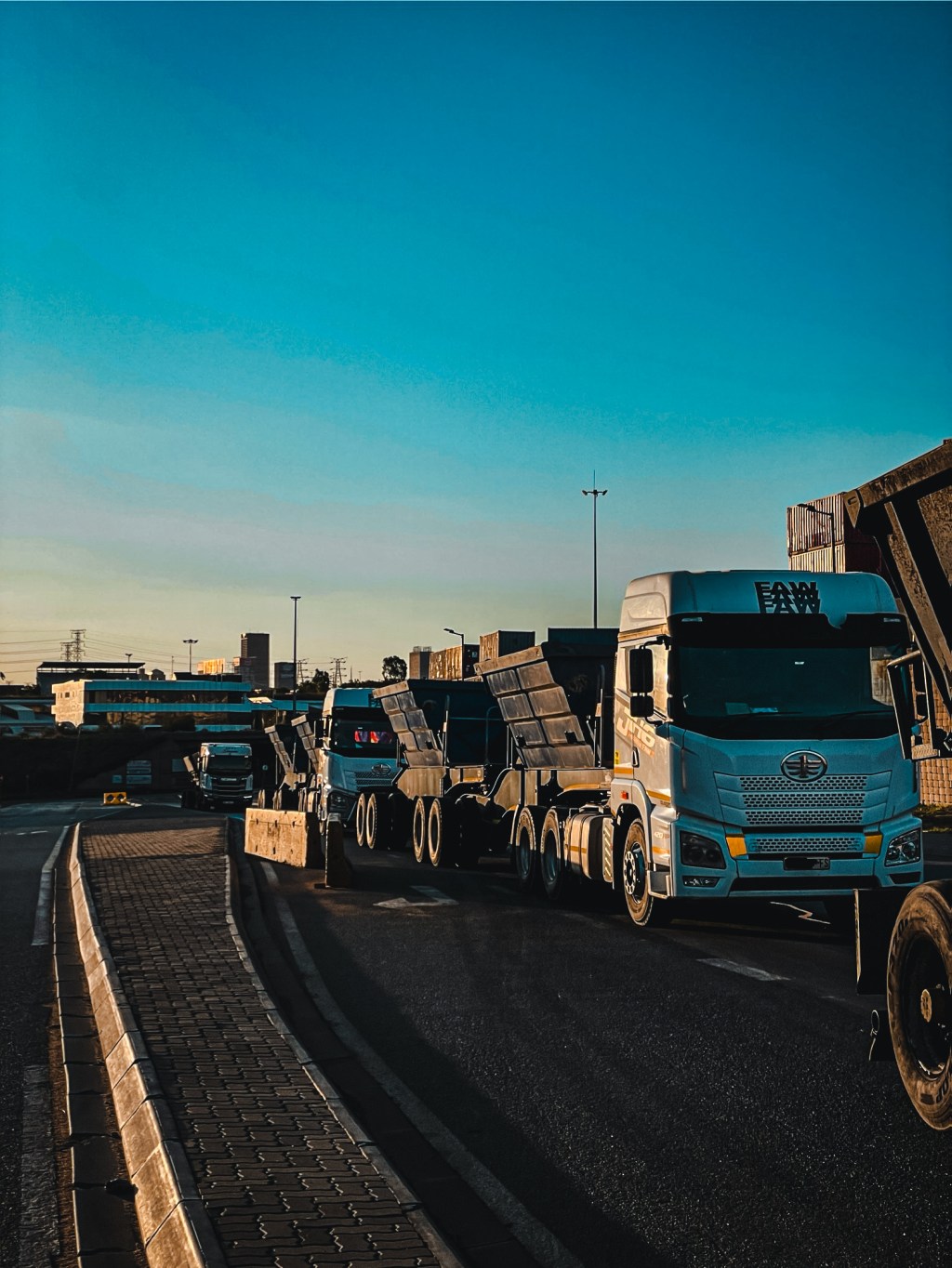
Fleet management plays an important role in ensuring the efficient movement of goods. Whether it’s delivering raw materials to a manufacturing plant or shipping finished products to consumers, logistics companies rely heavily on well-coordinated fleet operations to meet demand, reduce costs, and stay competitive.
In this article, we explore why fleet management is important in logistics, how it enhances operational efficiency, and what modern technologies are shaping the future of this vital function.
What Is Fleet Management?
Fleet management refers to the process of overseeing and coordinating vehicles used in logistics, including trucks, vans, ships, and delivery vehicles. It involves a wide range of activities such as vehicle maintenance, route planning, fuel management, driver supervision, regulatory compliance, and performance monitoring.
Fleet management is not just about owning and maintaining vehicles — it’s about optimising the entire transportation process to increase productivity, reduce costs, and improve service delivery.
The Role of Fleet Management in Logistics
Here are some of the core reasons why fleet management is a cornerstone of logistics success:
1. Cost Control and Efficiency
Fuel costs, vehicle wear and tear, maintenance, and driver salaries are major expenses in logistics. Fleet management helps monitor and control these costs through:
- Optimised routes that save fuel and reduce mileage
- Preventative maintenance that reduces costly breakdowns
- Fuel usage tracking to identify inefficiencies or misuse
- Driver performance analysis to lower idling and harsh driving
These cost-saving measures allow logistics companies to operate with leaner budgets while maintaining high service standards.
2. Better Delivery Times and Customer Satisfaction
With the rise of e-commerce and the “next-day delivery” trend, timely delivery is more important than ever. Fleet management ensures that vehicles:
- Follow the most efficient delivery routes
- Avoid high-traffic zones or road closures
- Are dispatched in a timely, coordinated manner
- Maintain real-time communication with dispatch teams
Better planning and real-time tracking help companies meet delivery deadlines, enhancing customer satisfaction and loyalty.
3. Vehicle Maintenance and Safety
Regular maintenance and vehicle health tracking are essential for minimising the risk of breakdowns and accidents. Fleet management systems:
- Schedule routine servicing and inspections
- Monitor tire pressure, oil levels, and engine diagnostics
- Alert managers to potential mechanical issues early
This not only improves driver safety but also extends the life of fleet vehicles, reducing the need for frequent replacements.
4. Regulatory Compliance
The logistics industry is subject to strict regulations, including safety, emissions, and transport laws. A good fleet management system ensures:
- Compliance with transportation regulations
- Accurate driver logs and route records
- Vehicle inspection history and service documentation
Compliance avoids legal issues, fines, and reputational damage, especially for companies operating across multiple regions or countries.
5. Improved Driver Management and Accountability
Drivers are key to successful logistics, and managing them well is crucial. Fleet management tools:
- Monitor driving behaviour (speeding, braking, idling)
- Provide performance feedback and training insights
- Enable real-time communication between driver and dispatch
- Help with route navigation and updates
This promotes a culture of accountability, enhances road safety, and supports driver well-being.
6. Data-Driven Decision-Making
Modern fleet management relies heavily on data analytics. Advanced platforms collect data on:
- Vehicle utilization
- Fuel efficiency
- Route performance
- Maintenance cycles
- Driver habits
By analysing this data, logistics managers can make informed decisions that reduce waste, improve productivity, and drive innovation.
7. Environmental Sustainability
Fleet management contributes to greener logistics operations by:
- Reducing unnecessary mileage through better routing
- Tracking emissions and fuel usage
- Supporting electric vehicle (EV) integration
- Encouraging eco-driving habits
As sustainability becomes a business priority, effective fleet management helps companies minimise their carbon footprint and align with environmental goals.
Technology’s Role in Modern Fleet Management
Fleet management has evolved dramatically with the rise of digital tools. Key technologies include:
- GPS and Telematics: Real-time vehicle tracking and diagnostics
- Fleet Management Software (FMS): Centralized dashboards for planning, reporting, and analytics
- AI and Machine Learning: Predictive maintenance and route optimization
- Mobile Apps: On-the-go communication and reporting
- IoT Devices: Connected sensors for tire pressure, temperature control, etc.
These innovations make fleet management more proactive, data-driven, and responsive to operational challenges.
Global Trends Driving the Importance of Fleet Management
Several global trends are increasing the importance of fleet management in logistics:
- E-commerce boom: More deliveries, tighter timeframes
- Urban congestion: Smarter routing is essential
- Rising fuel prices: Cost-saving measures are crucial
- Environmental regulations: Emission compliance is mandatory
- Supply chain complexity: Real-time coordination is key
Fleet management helps logistics companies adapt to these challenges and maintain a competitive edge.
Conclusion
Fleet management is not just a support function, it is the heartbeat of efficient logistics operations. From reducing operational costs and improving delivery times to ensuring safety and regulatory compliance, it touches every aspect of a logistics company’s performance.
As logistics continues to evolve in the globally, companies that invest in smart, data-driven fleet management will not only survive, they’ll lead. Whether you’re managing a fleet of 10 vehicles or 1,000, a good fleet management system is a strategic necessity in the logistics ecosystem.
 FLCC SOLUTIONS
Leave a comment