
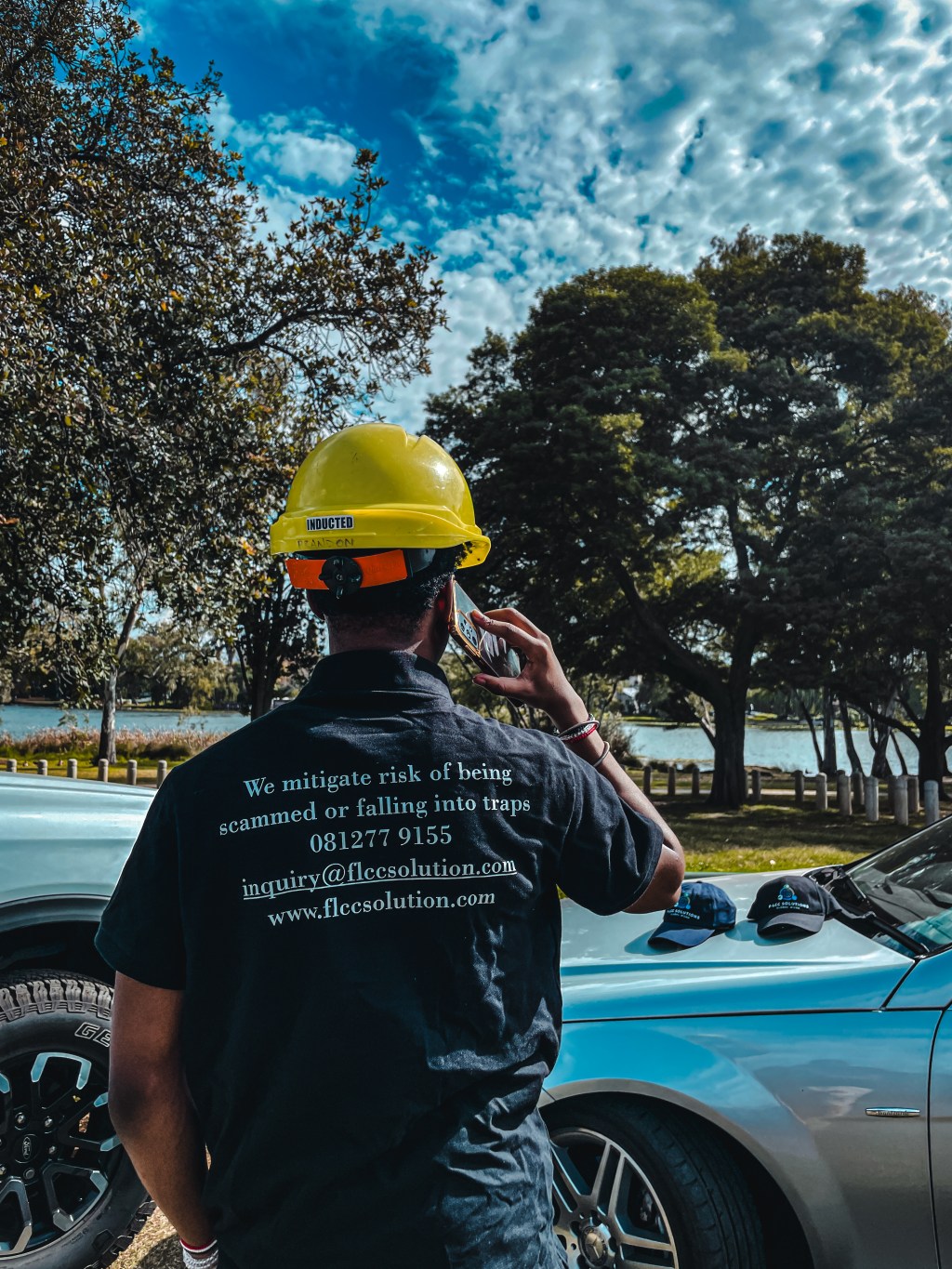
In construction and infrastructure development, collaboration is everything. The relationship between contractors, engineers, and clients can make or break a project. When communication breaks down or roles are misunderstood, it leads to delays, cost overruns, and substandard outcomes. On the other hand, a well-coordinated team can deliver projects that are efficient, innovative, and built to last.
In this blog, we explore practical strategies to improve collaboration across these three critical roles and create a culture of transparency, trust, and teamwork.
1. Start With Clear Roles and Expectations
One of the most common sources of conflict in a project is unclear roles or overlapping responsibilities. At the project’s outset, it’s vital to define:
- Who is responsible for what
- Who makes key decisions
- What deliverables are expected and when
A clear organisational chart or responsibility matrix helps everyone know where they fit and who they report to. This clarity allows for accountability and reduces friction during critical phases.
2. Build Strong Communication Channels
Open, consistent communication is essential to any successful collaboration. Use regular meetings, project dashboards, and updates to keep everyone on the same page.
Tips to improve communication:
- Schedule weekly coordination meetings
- Use tools like Slack, Trello, Asana, or MS Teams for real-time updates
- Keep meeting minutes and action items documented
- Encourage openness—engineers, contractors, and clients should feel comfortable raising concerns early
3. Embrace Collaborative Technology
Technology is a game-changer for construction project collaboration. Building Information Modelling (BIM) platforms like Autodesk Revit allow engineers, contractors, and clients to view and work on the same 3D model, reducing misunderstandings and streamlining revisions.
Other useful tools include:
- Cloud-based project management software
- Shared file repositories (e.g., Google Drive, SharePoint)
- Real-time budgeting and procurement tracking tools
These tools reduce the delays and miscommunications associated with outdated paper-based systems.
4. Allow Mutual Respect and Team Culture
Often, contractors and engineers work under pressure, and clients may not fully understand the technical or logistical constraints. That’s why mutual respect and empathy go a long way.
- Contractors bring practical, on-site knowledge that engineers can learn from.
- Engineers bring technical and safety expertise that guides sound decision-making.
- Clients provide the vision and financial direction for the project.
Instead of working in silos, promoting a team culture where each party’s role is valued leads to better collaboration and problem-solving.
5. Use Contracts That Promote Collaboration
Traditional contracts can be adversarial, encouraging blame-shifting when things go wrong. Instead, more collaborative models, such as Integrated Project Delivery (IPD) or Design-Build agreements, encourage shared risk and reward.
These contracts:
- Align team incentives with project success
- Encourage joint decision-making
- Reduce disputes and legal wrangling
When the structure itself promotes collaboration, teams are more likely to work together effectively.
6. Include the Client Throughout the Process
Clients should not just appear at the beginning and end of a project. Their ongoing involvement helps prevent misalignment and costly rework.
- Provide progress updates and design previews
- Use visualisation tools to help clients understand technical plans
- Involve them in milestone reviews and change requests
An informed client makes better decisions, avoids unrealistic expectations, and becomes a true project partner.
7. Learn from Mistakes and Celebrate Wins
After project completion, hold a post-project review with all stakeholders. Discuss:
- What worked well?
- What could be improved?
- How can communication and collaboration be better next time?
This reflection helps teams evolve and fosters long-term partnerships.
And don’t forget to celebrate successes, whether it’s early delivery, staying under budget, or solving a complex technical problem. Recognition builds morale and strengthens team cohesion.
Conclusion
Successful construction and engineering projects are not just about technical excellence, they’re about strong relationships. By investing in clear communication, collaborative tools, inclusive planning, and a culture of respect, contractors, engineers, and clients can break down barriers and build not just structures—but trust.
When these three forces unite around a shared vision, they don’t just complete projects—they create impact.
 FLCC SOLUTIONS
Leave a comment