
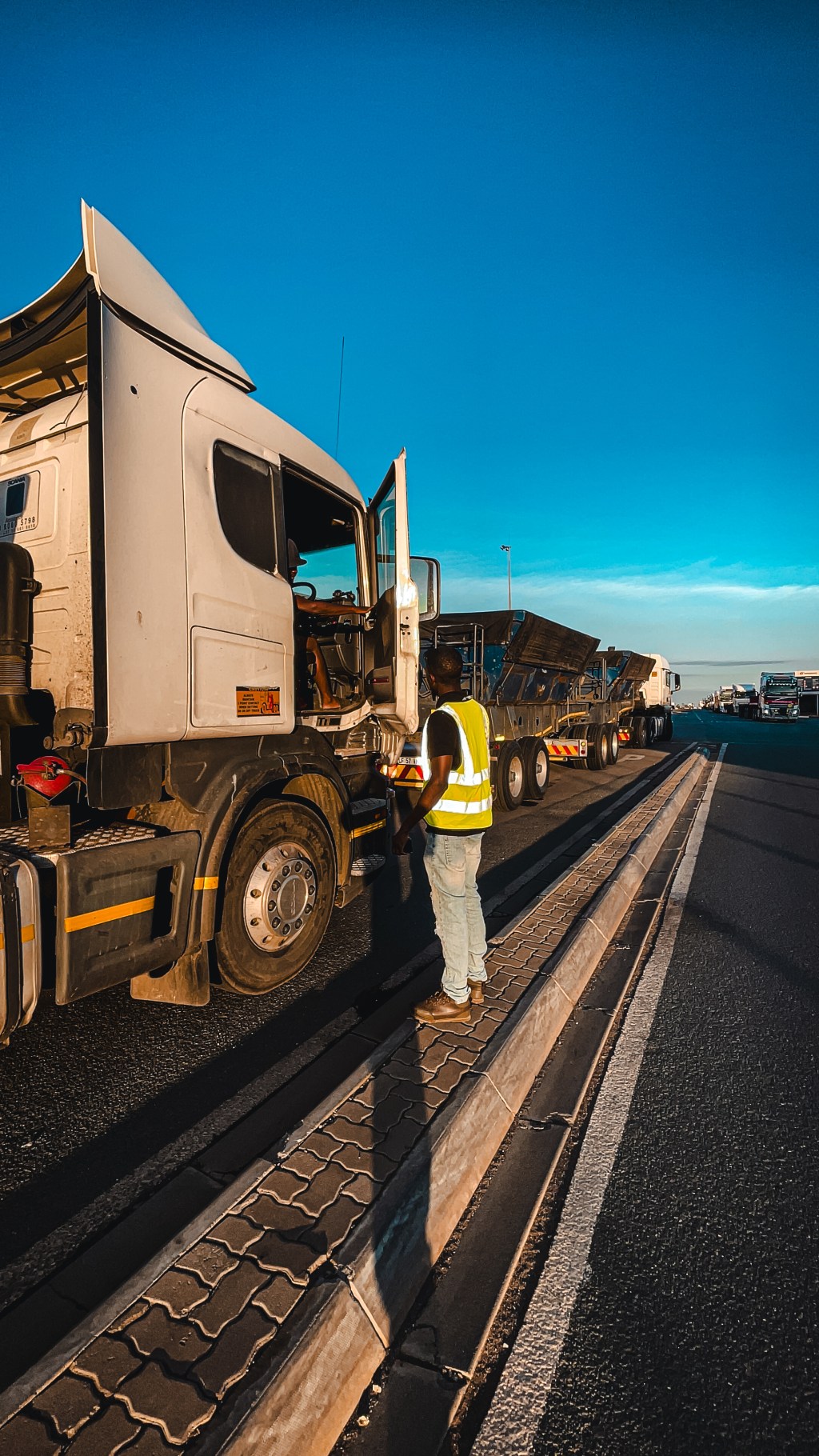
Cross-border logistics in South Africa is important in connecting the country’s economy to the broader Southern African region and global markets. With its strategic location and well-developed infrastructure compared to neighbouring countries, South Africa serves as a gateway for trade across the African continent. However, managing cross-border logistics comes with a unique set of benefits and challenges that logistics providers, exporters, and importers must navigate to succeed.
- 8 Benefits of Cross-Border Logistics in South Africa
- 8 Major Challenges in Cross-Border Logistics in South Africa
- Tips for Success in Cross-Border routing
- Conclusion
8 Benefits of Cross-Border Logistics in South Africa
Access to New Markets
South Africa’s strategic location at the southern tip of the continent places it within reach of numerous fast-growing economies in the SADC region, including Zimbabwe, Mozambique, Namibia, Botswana, and Zambia. For local and international businesses, efficient cross-border logistics unlocks these new markets, enabling the export of goods, expansion of services, and tapping into emerging consumer bases with rising purchasing power.
Improved Trade Infrastructure
South Africa boasts some of the most advanced transport infrastructure in sub-Saharan Africa, including world-class ports (Durban, Cape Town, Ngqura), a well-maintained road network, and great rail systems. Continued investment in major corridors, such as the North-South Corridor and the Maputo Development Corridor, further strengthens trade links with neighbouring countries, reducing travel time and logistics costs.
Economic Integration and Trade Agreements
South Africa’s membership in regional and continental trade agreements—such as the African Continental Free Trade Area (AfCFTA), SADC, and SACU (Southern African Customs Union), lowers trade barriers. These agreements harmonise customs procedures, reduce tariffs, and facilitate faster clearance, all of which enhance the efficiency of cross-border trade.
Growth in E-Commerce and Supply Chains
The rise of e-commerce in Africa is driving demand for streamlined logistics. Cross-border logistics allows South African online retailers and manufacturers to expand their footprint into neighboring countries. Similarly, multinational brands operating in Africa benefit from centralized distribution in South Africa, optimizing inventory management and reducing last-mile delivery times across the region.
Gateway to the African Market
South Africa is considered a logistics and business hub for Southern Africa, often serving as the entry point for international companies entering the continent. With access to over 15 landlocked countries via road and rail, South Africa enables the efficient movement of goods inland, making it a central player in pan-African trade strategies.
Job Creation and Economic Development
The cross-border logistics sector supports thousands of jobs across transport, warehousing, freight forwarding, and customs brokerage. As trade volumes grow, so too does the need for skilled labor, infrastructure development, and services, driving local economic growth, especially in rural areas near key borders like Beitbridge and Lebombo.
Technology and Innovation Opportunities
As logistics companies seek to streamline cross-border operations, South Africa is seeing growing investment in logistics technology, from GPS tracking and fleet management software to AI-powered route optimisation and customs clearance platforms. This allows innovation, encourages local tech entrepreneurship, and boosts operational efficiency.
Competitive Advantage for South African Businesses
Companies that master cross-border logistics gain a first-mover advantage in under-served markets. They benefit from greater brand visibility, customer loyalty, and increased revenues. Additionally, being able to export products competitively allows South African businesses to scale faster and diversify away from domestic market saturation or economic downturns.
8 Major Challenges in Cross-Border Logistics in South Africa
Customs Delays and Bureaucracy
Customs clearance remains one of the most significant pain points in cross-border logistics. Each border post may have its own rules, documentation requirements, and procedural quirks. These inconsistencies often lead to long queues, redundant paperwork, and unpredictable delays. For time-sensitive cargo, even minor holdups at customs can disrupt just-in-time delivery models, leading to customer dissatisfaction and increased demurrage or storage costs.
Inadequate Border Infrastructure
While South Africa has relatively strong infrastructure, several neighbouring border posts suffer from underinvestment and congestion. Issues such as insufficient inspection bays, outdated scanning equipment, and a lack of real-time tracking systems slow down processing times. At peak trading periods or during political unrest, some borders experience severe bottlenecks that can lead to multi-day delays.
Security Risks and Cargo Theft
Theft, hijackings, and fraud are ongoing threats on major transport routes, especially in remote or poorly policed areas. Criminal syndicates often target trucks carrying high-value goods, and incidents are particularly common at border staging areas where vehicles are left unattended. The cost of security escorts, insurance, and loss mitigation strategies can significantly raise operating expenses for logistics providers.
Regulatory Variability
Every country in the SADC region has its own import/export laws, licensing requirements, and vehicle regulations. Inconsistent rules regarding axle weight limits, roadworthiness, driver documentation, and cargo classification can lead to fines, detentions, or even outright denial of entry. The lack of harmonization across borders makes it difficult to standardize logistics operations and adds layers of complexity to planning and compliance.
High Transport and Operational Costs
Cross-border logistics is a high-cost process in the region. Expenses related to fuel, tolls, permits, security, maintenance, and border handling can quickly add up. For landlocked countries relying on South African ports, the distance alone adds cost. Inflation, fuel price volatility, and a weak exchange rate can further erode margins for logistics companies and exporters alike.
Limited Digital Integration
Many border posts and government agencies still rely heavily on manual processes and paper-based systems. This leads to errors, duplicated work, and a lack of transparency in customs procedures. The absence of fully integrated digital platforms between countries hinders real-time visibility, cargo tracking, and efficient information sharing—key elements of modern supply chains.
Driver Shortages and Skill Gaps
There is a growing shortage of experienced, cross-border-certified truck drivers in South Africa. Cross-border logistics demands drivers who are not only technically skilled but also trained in cross-cultural communication, regulatory compliance, and long-haul endurance. Limited training programs and high driver turnover rates contribute to operational inefficiencies and increased safety risks.
Political and Economic Instability
Sudden policy shifts, border closures, protests, or currency crises in neighbouring countries can cause severe disruptions. For example, civil unrest in Zimbabwe or regulatory changes in Mozambique can halt cross-border movement for days or weeks. Logistics companies must constantly monitor the political landscape and build contingency plans to navigate these external risks.
Tips for Success in Cross-Border routing
- Digitize Documentation: Embrace digital platforms for customs documentation and freight tracking to reduce delays and errors.
- Partner with Local Experts: Collaborate with freight forwarders such as FLCC and logistics providers who understand local regulations and border processes.
- Plan for Contingencies: Build in buffer times and have alternate routes ready in case of delays or disruptions.
- Leverage Regional Trade Hubs: Use established logistics hubs in South Africa to consolidate shipments and streamline operations.
Conclusion
Cross-border logistics in South Africa offers significant growth opportunities for businesses that are prepared to navigate its challenges. By investing in the right technology, partnerships, and strategies, companies can unlock access to the broader African market and build resilient, cost-effective supply chains.
 FLCC SOLUTIONS
Leave a comment