
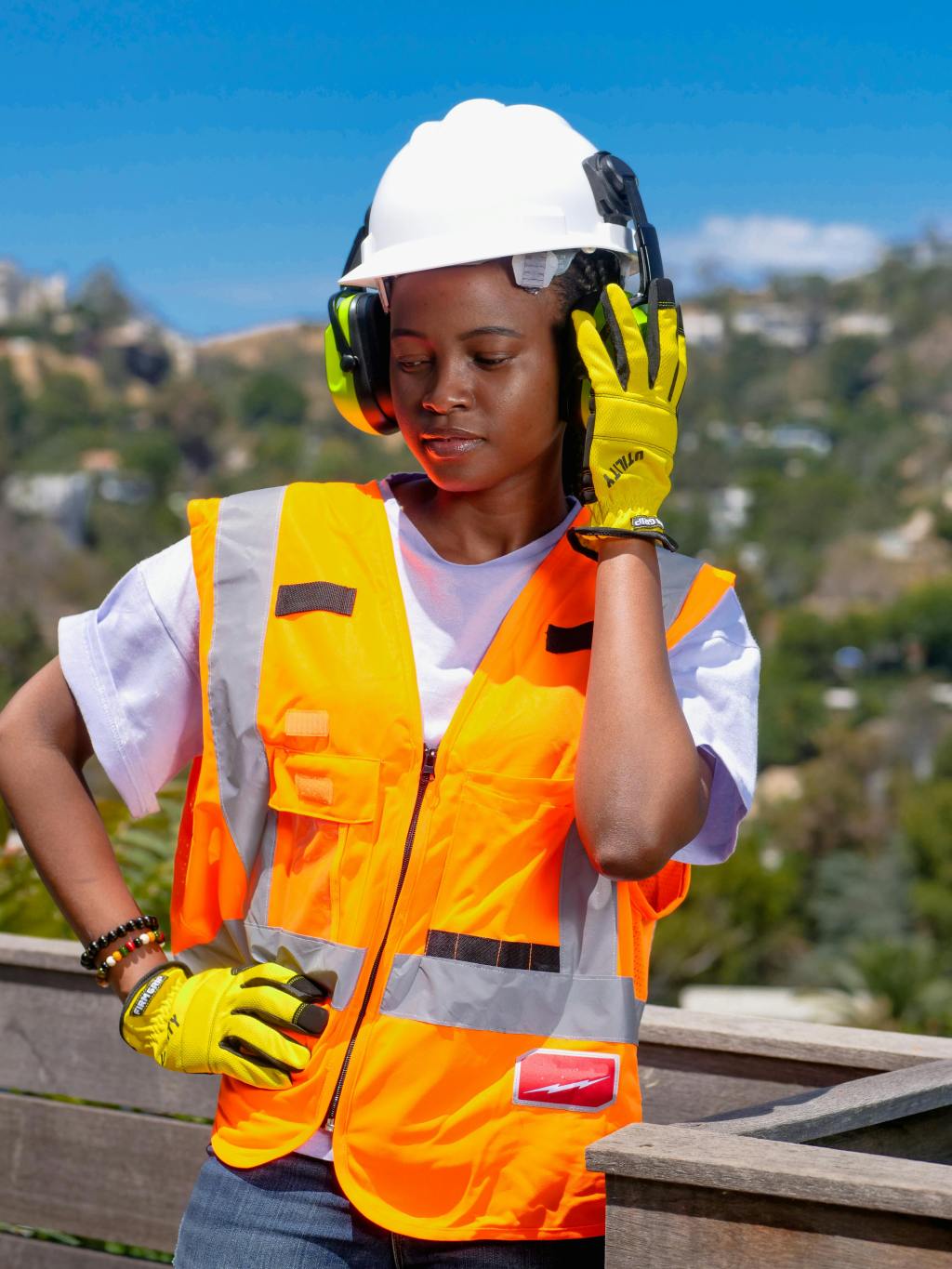
In recent years, South Africa has seen a major shift in its industrial scene and at the heart of this transformation are the women who are breaking barriers, leading innovations, and reshaping the future of the sector.
From mining and manufacturing to logistics and engineering, women are increasingly taking on pivotal roles in industries traditionally dominated by men. This growing presence is not only empowering for individuals but also critical to the nation’s economic growth and sustainability.
- Women Leading Change in Industry
- Sectors Seeing the Most Growth for Women
- Challenges Still Ahead for Women in South Africa’s Industrial scene
- Why This Matters for South Africa’s Future
Women Leading Change in Industry
South Africa’s industrial sector, encompassing mining, manufacturing, energy, and logistics, has traditionally been male-dominated, with limited access for women to participate meaningfully. However, this narrative is shifting rapidly. A growing wave of female professionals, leaders, and entrepreneurs is entering the scene, reshaping the face of industry and driving innovation and resilience.
This transformation is powered by several key developments:
Policy Support and Gender Inclusion Programs
The South African government has introduced progressive policies aimed at promoting gender equality and economic empowerment. Central to this effort is the Broad-Based Black Economic Empowerment (B-BBEE) framework, which encourages companies to diversify their leadership and supply chains by integrating women, particularly black women, into key roles.
Additionally, sector-specific charters in mining, construction, and manufacturing include gender transformation targets. These charters require companies to report on female representation and often reward businesses that meet or exceed inclusion benchmarks. As a result, more women are being considered for senior management roles, board positions, and ownership opportunities.
Beyond legislation, public-private partnerships are funding incubator programs and enterprise development initiatives that specifically support women-owned industrial businesses. These policies not only open doors but also lay the foundation for long-term structural change.
Education and Skills Development
Education is the backbone of transformation in any industry, and South Africa is seeing a marked increase in women enrolling in STEM (Science, Technology, Engineering, and Mathematics) fields. Driven by scholarships, school outreach, and national campaigns, more young women are choosing careers in mechanical engineering, data science, industrial design, and energy systems.
Technical and vocational education and training (TVET) colleges, along with universities and NGOs, are playing an important role by offering up skilling programs made for industrial careers. Organisations such as the South African Women in Engineering (WomEng) and Women in Mining South Africa (WiMSA) are also instrumental in mentoring young talent, building professional networks, and advocating for safer, more inclusive workplaces.
By equipping women with the right technical skills and leadership training, the country is not only filling the skills gap but also building a more diverse and competitive workforce.
Rising Female Leadership
One of the most encouraging trends in South Africa’s industrial evolution is the increasing visibility of women in leadership. Female professionals are now heading departments, managing large-scale operations, and sitting on executive boards across mining, manufacturing, and logistics sectors.
Industry trailblazers like Nolitha Fakude, Chairperson of Anglo American’s Management Board in South Africa, have become icons of transformation in mining — a sector historically inaccessible to women. Similarly, Busisiwe Mavuso, CEO of Business Leadership South Africa (BLSA), has been a vocal advocate for inclusive economic policies and women’s leadership across sectors.
These women, and many others, are challenging stereotypes and setting new standards for excellence, mentorship, and resilience. Their success not only creates a ripple effect for aspiring female professionals but also highlights the strategic advantage of gender-diverse leadership in a modern industrial economy.
Sectors Seeing the Most Growth for Women
Several industrial sectors are experiencing notable female integration:
Mining:
Once the least gender-inclusive sector, mining now sees women working as engineers, geologists, and even mine managers.
Manufacturing:
With the rise of automation and smart technologies, women are stepping into tech-driven roles and operations management.
Energy:
The green energy sector offers a growing space for women in both technical and leadership roles.
Challenges Still Ahead for Women in South Africa’s Industrial scene
Despite the progress, there are hurdles that need attention:
- Gender pay gaps still persist in many industrial roles.
- Workplace safety and discrimination remain concerns for women in certain sectors.
- Access to funding for women-owned industrial enterprises is limited compared to male counterparts.
Why This Matters for South Africa’s Future
Inclusive industrial growth is key to long-term economic development. By empowering women in these sectors, South Africa can:
- Improve productivity and innovation
- Allowing more resilient businesses
- Addresses unemployment and income inequality
- Inspire future generations of girls to pursue careers in industry
Conclusion
The growing role of women in South Africa’s industrial scene is not just a trend, it’s a revolution in progress. With continued support, policy reform, and community engagement, the country is poised to unlock the full potential of its female workforce.

 FLCC SOLUTIONS
Leave a comment