
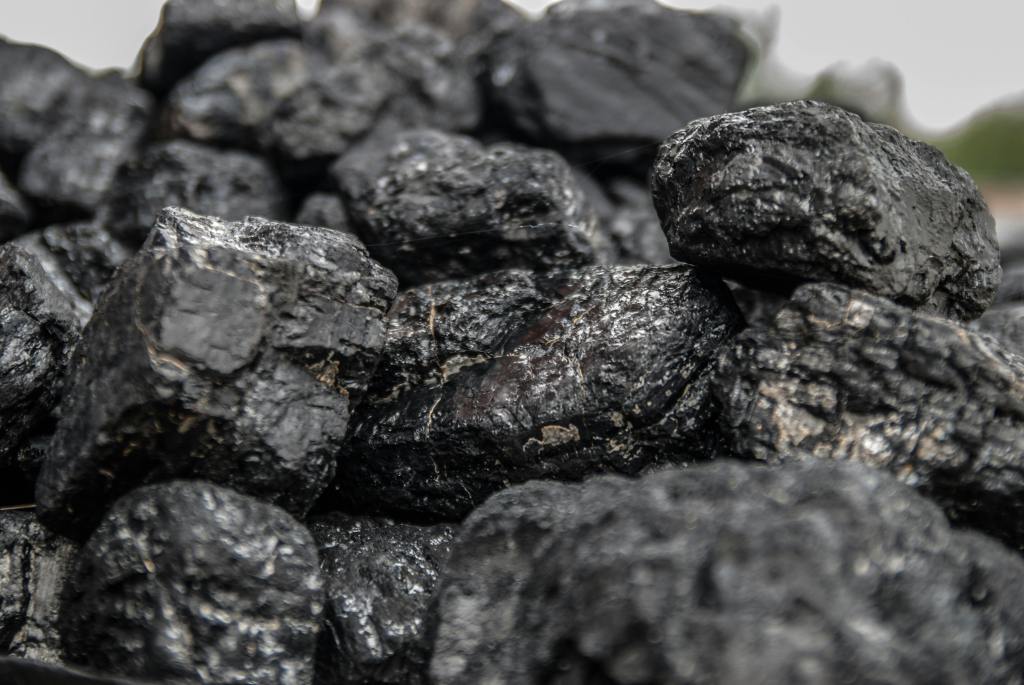
South Africa is rich in coal reserves and has long been a powerhouse in the global coal industry. The country ranks among the top coal producers and exporters in the world. South Africa’s coal mines are primarily located in Mpumalanga, Limpopo, and parts of KwaZulu-Natal, where vast coal seams fuel both domestic energy production and international export.
We will highlight in no particular order a few coal mines in South Africa, showcasing their contribution to the economy, energy sector, and employment.
- 1. Grootegeluk Coal Mine – Limpopo
- 2. Mafube Coal Mine – Mpumalanga
- 3. Khwezela Colliery – Mpumalanga
- 4. Mbuyelo Coal Mine (Manungu Complex) – Mpumalanga
- 5. Matla Coal Mine – Mpumalanga
- 6. New Vaal Colliery – Free State
- 7. Arnot Mine – Mpumalanga
- 8. Tshikondeni Mine – Limpopo
- 9. Zibulo Colliery – Mpumalanga
- 10. Kangala Colliery – Mpumalanga
- 11. New Largo Coal Mine – Mpumalanga
- 12. Forzando Coal Mine – Mpumalanga
- 13. Syferfontein Mine – Mpumalanga
- 14. Bosjesspruit Mine – Mpumalanga
- 15. Goedgevonden Colliery (GGV) – Mpumalanga
- 16. Tweefontein Complex – Mpumalanga
- 17. Optimum Coal Mine – Mpumalanga
- 18. Vanggatfontein Colliery – Mpumalanga
- 19. Delmas Coal Mine – Mpumalanga
- 20. Kriel Colliery – Mpumalanga
- Why South Africa’s Coal Mines Matter
- Challenges and the Road Ahead
- Conclusion
1. Grootegeluk Coal Mine – Limpopo
Operated by Exxaro Resources, the Grootegeluk Coal Mine is not only one of the largest open-pit coal mines in the world but also a cornerstone of South Africa’s economic development, energy stability, and employment landscape.
Contribution to the Economy:
Grootegeluk plays an important role in the local and national economy. Its operations generate significant revenue through coal exports and domestic sales. The mine contributes to South Africa’s GDP by supporting industrial growth and infrastructure development, particularly in the Limpopo Province.
As of the financial year ending December 31, 2024, Exxaro Resources reported a total revenue of R40.7 billion (approximately $2.1 billion USD). The Commercial – Waterberg segment, which includes the Grootegeluk Coal Mine, contributed R22.6 billion to this total, accounting for 55% of the company’s overall revenue . Source
Specifically, the Grootegeluk Coal Mine produced approximately 18.8 million tonnes of coal annually. This includes 14.8 million tonnes of power station coal supplied to Eskom’s Matimba Power Station via a 7 km conveyor belt, and 1.5 million tonnes of metallurgical coal for the metals industry and other users in South Africa.
In the financial year 2024, the Waterberg commercial coal segment’s revenue decreased by 5% compared to the previous year, from R23.6 billion to R22.6 billion. This decline was primarily due to logistical constraints and lower demand from Eskom, which affected coal sales
Additionally, Exxaro’s investment in local enterprise development and procurement strengthens small and medium-sized businesses, ensuring that economic benefits extend beyond the mine itself into surrounding communities.
Contribution to the Energy Sector:
Grootegeluk is a strategic supplier of coal to Eskom’s Matimba and Medupi power stations, two of South Africa’s largest coal-fired power plants. These plants are critical to ensuring a stable and continuous electricity supply across the country. The mine produces both thermal coal, used for electricity generation, and metallurgical coal, essential for industrial processes like steel manufacturing. Its reliable supply of high-quality coal underpins South Africa’s energy security, especially in the face of ongoing challenges in the power sector.
Contribution to Employment:
The mine is one of the largest employers in the region, providing direct jobs to thousands of workers and indirectly supporting many more through service contracts and supply chains. Grootegeluk is known for its investment in workforce development, offering training programs, skills development, and educational support for employees and local youth. This focus not only boosts employment but also builds long-term capacity and economic resilience in the region.
2. Mafube Coal Mine – Mpumalanga
The Mafube Coal Mine is a 50:50 joint venture between Exxaro Resources and Thungela Resources, located approximately 30 km east of Middelburg in Mpumalanga Province. This opencast operation specializes in producing high-quality thermal coal for export markets, primarily through the Richards Bay Coal Terminal.
Contribution to the Economy
In the first half of 2024, the Commercial – Mpumalanga segment, which includes Mafube, generated R4.636 billion in revenue, marking a 16% increase from R4.000 billion in the same period in 2023. This growth was attributed to improved equipment availability and better blasting fragmentation, leading to a 20% increase in production at Mafube. Source
Contribution to the Energy Sector
Mafube’s thermal coal production is important for South Africa’s energy sector, supplying high-grade coal to power generation facilities. The mine’s output supports the national grid by providing a steady supply of coal to power stations, thereby contributing to the country’s energy security.
Contribution to Employment
The Mafube Coal Mine employs a significant workforce, contributing to local employment in the Mpumalanga region. While specific employment figures are not publicly disclosed, the mine’s operations support numerous jobs directly and indirectly, benefiting the local economy.
3. Khwezela Colliery – Mpumalanga
The Khwezela Colliery, situated approximately 22 km southwest of eMalahleni in Mpumalanga, is an opencast thermal coal mine operated by Thungela Resources. Established in 2016 through the merger of the Kleinkopje and Landau collieries, Khwezela plays an important role in South Africa’s coal industry.
Contribution to the Economy
As of 2021, Khwezela’s production capacity was reported at 3 million tonnes per annum (Mtpa), with a total resource base of 44.4 million tonnes and mineable reserves of 33.7 million tonnes. The colliery’s output contributes significantly to the local and national economy through coal sales, taxes, and infrastructure development.
Contribution to the Energy Sector
Khwezela supplies high-quality thermal coal primarily for export markets, notably through the Richards Bay Coal Terminal. Its production supports South Africa’s energy sector by providing a steady supply of coal to power generation facilities, thereby contributing to the country’s energy security.
Contribution to Employment
In 2023, Khwezela employed 562 full-time employees, with additional contractors and support staff, contributing to local employment in the Mpumalanga region. Thungela Resources has been recognized for its commitment to safety and employee well-being, with Khwezela achieving 12,000 fatality-free production shifts in 2022.
4. Mbuyelo Coal Mine (Manungu Complex) – Mpumalanga
The Manungu Colliery is a flagship operation of Mbuyelo Coal, an independent South African coal producer. Located near Swartklip, approximately 30 km southeast of Middelburg in Mpumalanga Province, the colliery is a great contributor to the region’s coal industry and local economy.
Contribution to the Economy
The Manungu Colliery boasts an estimated 350 million tonnes of mineable coal reserves, with a projected 30-year mine life. It produces approximately 1.6 million tonnes per annum (Mtpa) of thermal coal, primarily supplied to Eskom, South Africa’s state-owned power utility, under a long-term supply agreement (Source). This consistent output contributes to the national economy through coal sales, taxes, and infrastructure development.
Contribution to the Energy Sector
As a reliable supplier of thermal coal to Eskom, Manungu plays an important role in South Africa’s energy sector. Eskom generates about 90% of the country’s electricity, with a significant portion derived from coal-fired power plants. The colliery’s operations support the national grid by providing a steady supply of coal to power generation facilities, thereby contributing to the country’s energy security. Source
Contribution to Employment
The Manungu Colliery employs approximately 458 individuals, with 25 directly employed by Mbuyelo Coal and the remainder working through contractors such as Trollope Mining Services and Fraser Alexander . These employment opportunities support local communities and contribute to the regional economy. (Source)
Community Engagement
Mbuyelo Coal is committed to community development around the Manungu Colliery. Initiatives include:
- Upgrading local healthcare facilities, such as clinic renovations.
- Educational support, including donations of computers, printers, and scientific calculators to schools.
- Infrastructure improvements, such as the construction of school halls and the installation of burglar bars for donated equipment. Source
These efforts aim to uplift the surrounding communities and enhance the quality of life for residents.
5. Matla Coal Mine – Mpumalanga
Owned and operated by Seriti Resources, the Matla Coal Mine is one of South Africa’s most important underground coal operations. Located near the town of Kriel in Mpumalanga, Matla supplies coal directly to the adjacent Matla Power Station, which is one of Eskom’s base-load power plants. This direct supply chain plays a vital role in stabilizing the country’s electricity generation.
Contribution to the Economy:
Matla produces approximately 8.5 million tonnes of coal annually, with the potential to increase output to 10 million tonnes through expansion projects. This production makes a significant contribution to South Africa’s coal industry and GDP. The mine supports the local economy through the purchase of goods and services, payment of taxes and royalties, and through investments in infrastructure and development. Seriti’s broader operations, including Matla, are aimed at ensuring that economic value is shared with local suppliers and community partners.
Contribution to the Energy Sector:
Matla is a dedicated supplier to the Matla Power Station, a massive 3,600 MW coal-fired plant operated by Eskom. The power station depends entirely on coal from the mine, making Matla an essential contributor to South Africa’s electricity supply. This base-load supply helps ensure grid stability and energy reliability, especially during times of peak demand or power shortages. The mine’s direct link to the power station minimizes transport costs and logistical complexities, improving efficiency and reliability in energy production.
Contribution to Employment:
Matla Coal Mine provides substantial employment opportunities in the Mpumalanga region. As part of Seriti Resources, which employs around 15,000 people across its portfolio, the mine offers direct jobs as well as indirect employment through contractors and service providers. Beyond job creation, Seriti invests in skills development, health and safety programs, and local community uplifting, focusing on long-term socio-economic impact. The company supports initiatives such as education, housing, and small business development, all aimed at improving quality of life in surrounding communities.
6. New Vaal Colliery – Free State
The New Vaal Colliery, situated approximately 14 km south of Vereeniging in the Free State Province, is a significant opencast coal mine operated by Seriti Resources. Acquired from Anglo American in 2018, New Vaal has been supplying coal to Eskom’s Lethabo Power Station since its establishment in 1983 .(Source)
Contribution to the Economy
New Vaal produces approximately 16 million tonnes per annum (Mtpa) of thermal coal, primarily for domestic consumption. The mine’s operations contribute significantly to the local and national economy through coal sales, taxes, and infrastructure development. Additionally, the mine’s activities support local businesses and service providers, further embedding itself in the regional economy .
Contribution to the Energy Sector
New Vaal plays a crucial role in South Africa’s energy sector by supplying coal directly to Lethabo Power Station, a coal-fired power plant operated by Eskom with an installed capacity of 3,708 MW . The mine’s output supports the national grid by providing a steady supply of coal to power generation facilities, thereby contributing to the country’s energy security.(Source)
Contribution to Employment
As of March 31, 2024, New Vaal employed over 2,020 people, including direct employees and contractors . The mine offers various job opportunities and training programs, contributing to local employment and skills development. Seriti Resources is committed to community development and has implemented initiatives aimed at improving the quality of life for residents in surrounding areas
7. Arnot Mine – Mpumalanga
The Arnot Mine, located near Middelburg in Mpumalanga Province, was reopened in 2020 under a unique worker-community trust model. This initiative marked a significant shift in South Africa’s mining sector, emphasising empowerment and community involvement. The mine is operated by Arnot OpCo, a company co-owned by former Exxaro employees and the Salungano Group.
Contribution to the Economy
Arnot Mine boasts substantial coal reserves, with an estimated 192 million tonnes of thermal coal. The mine has entered into a ten-year coal supply agreement with Eskom, ensuring a steady supply of coal to the Arnot Power Station. This agreement not only supports the national energy infrastructure but also contributes to the local economy through taxes, royalties, and local procurement.
Contribution to the Energy Sector
The coal produced at Arnot Mine is delivered directly to the Arnot Power Station via conveyor belts, a method that reduces transportation costs and environmental impact. This direct supply chain enhances the efficiency and reliability of electricity generation, playing an important role in South Africa’s energy security.
Contribution to Employment
The reopening of Arnot Mine has led to the creation of over 1,500 direct jobs, many of which are filled by former employees who were retrenched when the mine was closed in 2015. This model not only provides employment but also offers training and development opportunities, fostering skills growth within the community.
8. Tshikondeni Mine – Limpopo
The Tshikondeni Mine, located approximately 140 km east of Musina in Limpopo Province, was an underground coal mining operation that produced premium hard coking coal. Operated by Exxaro Resources, the mine supplied coal to ArcelorMittal South Africa’s Vanderbijlpark Works under a long-term agreement. The mine ceased operations in 2014 due to resource depletion . (Source)
Contribution to the Economy
At its peak, Tshikondeni produced approximately 414,000 tonnes per annum (ktpa) of hard coking coal. The mine’s closure in 2014 marked the end of South Africa’s only operational hard coking coal production, showing its significant role in the national economy. In response to the closure, Exxaro implemented the Tshikondeni Legacy Project, focusing on community development initiatives such as housing, education, and infrastructure to mitigate the socio-economic impacts on the surrounding communities.
Contribution to the Energy Sector
While Tshikondeni was primarily a supplier of coking coal to the steel industry, its closure had indirect implications for the energy sector. The cessation of coal supply to ArcelorMittal South Africa necessitated increased imports of coking coal, placing additional pressure on the country’s energy resources and highlighting the interconnectedness of the mining and energy sectors.
Contribution to Employment
Prior to its closure, Tshikondeni employed over 750 individuals, providing direct employment and contributing to the local economy. The mine’s closure in 2014 led to significant socio-economic challenges for the local communities, including loss of income and social disruption. Exxaro’s implementation of the Tshikondeni Legacy Project aimed to address these challenges by focusing on sustainable development and community support initiatives
9. Zibulo Colliery – Mpumalanga
The Zibulo Colliery, situated near Ogies in Mpumalanga Province, is a significant coal mining operation owned and operated by Thungela Resources. The mine comprises both underground and opencast operations, producing a combined total of over 8 million tonnes per annum (Mtpa) of run-of-mine (ROM) coal, with approximately 90% sourced from underground mining.
Contribution to the Economy
Zibulo Colliery plays an important role in the South African economy by supplying both domestic and export-quality thermal coal. The mine’s operations contribute to local and national economic growth through taxes, royalties, and local procurement. In 2024, Thungela reported a 16% year-on-year increase in revenue, reaching R35.6 billion, attributed to productivity improvements and enhanced rail performance in South Africa.
Contribution to the Energy Sector
The coal produced at Zibulo Colliery is delivered to various power stations, including those operated by Eskom, contributing to the national electricity grid. In 2023, Zibulo produced approximately 4.2 Mt of export saleable coal, with a significant portion allocated to domestic energy needs . This supply supports the country’s energy security by providing a reliable source of fuel for power generation.
Contribution to Employment
As of 2023, Zibulo employed 915 individuals, including permanent staff and contractors . Thungela is committed to enhancing employee welfare and community development. In 2023, the company allocated R156 million to employee and community initiatives, including wages, training, and social development programs . Additionally, Thungela invested R49 million in the Zibulo solar plant as part of its commitment to sustainable energy solutions .
10. Kangala Colliery – Mpumalanga
The Kangala Colliery, located in the Witbank coalfield of Mpumalanga Province, is an open-pit thermal coal mine operated by Universal Coal. The mine commenced production in February 2014 and has a nameplate capacity of 2.4 million tonnes per annum (Mtpa), with approximately 2.1 Mtpa being saleable coal.
Contribution to the Economy
Kangala Colliery significantly contributes to the South African economy through its coal production and sales. The mine’s operations support local businesses and service providers, allowing economic growth in the region. Additionally, the mine’s activities generate revenue through taxes and royalties, further bolstering the national economy.
Contribution to the Energy Sector
The coal produced at Kangala Colliery is primarily supplied to Eskom, South Africa’s state-owned electricity supplier, under a 2 Mtpa coal supply agreement. The mine also exports coal through an off-take agreement with Exxaro Resources, transporting coal to Exxaro’s Leeuwpan Mine and subsequently to the Richards Bay Coal Terminal for international markets. These operations play an important role in ensuring a stable and reliable energy supply for the country.
Contribution to Employment
Kangala Colliery provides direct employment to approximately 62 individuals. The mine’s operations also create indirect employment opportunities through contractors and service providers, contributing to job creation in the local community. Universal Coal’s commitment to sustainable development includes initiatives aimed at improving the quality of life for residents in surrounding areas, such as infrastructure development and community support programs.
11. New Largo Coal Mine – Mpumalanga
The New Largo Coal Mine, situated approximately 15 km north of Emalahleni in Mpumalanga Province, is a significant opencast coal mining project developed by Seriti Resources. In August 2018, Seriti, along with its partners Coalzar and the Industrial Development Corporation (IDC), acquired the New Largo reserves from Anglo American for R850 million. The project is poised to supply approximately 12 million tonnes per annum (Mtpa) of thermal coal to Eskom’s Kusile Power Station over a projected 50-year period.
Contribution to the Economy
New Largo is a cornerstone of Seriti’s strategy to enhance its coal supply capabilities. The mine is expected to generate substantial economic benefits, including job creation, local procurement opportunities, and infrastructure development. In 2024, the mine employed 706 individuals, contributing to the regional economy. Additionally, Seriti’s commitment to economic transformation is evident in the project’s ownership structure, with significant stakes held by historically disadvantaged South Africans and community trusts.
Contribution to the Energy Sector
New Largo plays an important role in South Africa’s energy landscape by supplying coal to Kusile Power Station, one of the largest dry-cooled coal-fired power plants globally. The mine’s output is integral to ensuring a stable and reliable electricity supply, aligning with Eskom’s objectives to meet the country’s energy demands. As of 2022, limited mining operations had commenced, with plans to scale production to meet Kusile’s requirements.
Contribution to Employment
The development of New Largo has led to the creation of numerous employment opportunities, both directly and indirectly. Beyond the 706 direct employees, the mine’s operations support local businesses and service providers, allowing broader economic growth in the region. Seriti’s focus on inclusive growth is reflected in its efforts to up skill the local workforce and promote community development initiatives
12. Forzando Coal Mine – Mpumalanga
The Forzando Coal Mine is situated approximately 10 km north of Bethal in Mpumalanga Province, within the Highveld coalfield. The complex comprises two underground operations: Forzando North Colliery (FZON) and Forzando South Colliery (FZOS). FZOS employs mechanised bord-and-pillar mining methods to extract coal from the S4L seam, while FZON was placed under care and maintenance in 2014 and recommissioned in 2018 (Source).
Contribution to the Economy
Forzando Coal Mine significantly contributes to the South African economy through its coal production and sales. The mine’s operations support local businesses and service providers, fostering economic growth in the region. Additionally, the mine’s activities generate revenue through taxes and royalties, further bolstering the national economy.
Contribution to the Energy Sector
The coal produced at Forzando Coal Mine is primarily supplied to Sasol’s synthetic fuel operations, contributing to the country’s energy security by providing a reliable source of fuel for power generation. The mine also supports the export market, enhancing South Africa’s position in the global coal trade.(Source)
Contribution to Employment
Forzando Coal Mine provides direct employment to a significant number of individuals, including permanent staff and contractors. The mine’s operations also create indirect employment opportunities through contractors and service providers, contributing to job creation in the local community. The mine’s commitment to sustainable development includes initiatives aimed at improving the quality of life for residents in surrounding areas, such as infrastructure development and community support programs.
13. Syferfontein Mine – Mpumalanga
The Syferfontein Coal Mine is an underground mining operation situated near Secunda in Mpumalanga Province, South Africa. Established in 1989, it was developed to supply coal to Sasol’s Secunda Synfuels Plant, which produces synthetic fuels and chemicals from coal. The mine comprises the Riversdale, Tweedraai, and Weltevrede underground mining areas. While it began as an open-pit strip mine, the original strip mine has been decommissioned and partially rehabilitated; most mining now occurs underground. (Source)
Contribution to the Economy
Syferfontein plays a vital role in the South African economy by supplying coal to Sasol’s Secunda operations. In 2021, the mine produced approximately 9.3 million tonnes of coal, contributing significantly to Sasol’s overall earnings . The mine’s operations support local businesses and service providers, allowing economic growth in the region. (Source)
Contribution to the Energy Sector
The coal extracted from Syferfontein is primarily used as feedstock for Sasol’s coal-to-liquids (CTL) and gas-to-liquids (GTL) processes at the Secunda Synfuels Plant. The plant is one of the largest of its kind globally, producing synthetic fuels and chemicals. In 2022, Sasol’s Secunda operations received approximately 100,000 tonnes of coal daily, underscoring the mine’s critical role in ensuring a stable and reliable energy supply SEC.
Contribution to Employment
Syferfontein provides direct employment to a significant number of individuals, including permanent staff and contractors. The mine’s operations also create indirect employment opportunities through contractors and service providers, contributing to job creation in the local community. Sasol’s commitment to sustainable development includes initiatives aimed at improving the quality of life for residents in surrounding areas, such as infrastructure development and community support programs SEC.
14. Bosjesspruit Mine – Mpumalanga
The Bosjesspruit Mine is an underground coal mining operation situated in the Secunda Mining Complex of Mpumalanga Province, South Africa. It is one of Sasol Mining’s key assets, supplying coal primarily to Sasol’s Secunda Synfuels Plant, which produces synthetic fuels and chemicals from coal.
Contribution to the Economy
Bosjesspruit is integral to Sasol Mining’s operations, which contribute significantly to the South African economy. The coal produced supports Sasol’s Secunda and Sasolburg complexes, which are vital to the country’s energy and chemical sectors. Additionally, Sasol Mining engages in social and economic development initiatives, benefiting communities in Mpumalanga and Free State provinces through various projects, including infrastructure development and local economic development programs (Source).
Contribution to the Energy Sector
The coal extracted from Bosjesspruit is primarily used as feedstock for Sasol’s gasification processes at the Secunda Synfuels Plant. This facility is one of the largest of its kind globally, producing synthetic fuels and chemicals. The coal supplied also contributes to electricity and steam generation at Sasol’s operations.
Contribution to Employment
Bosjesspruit provides direct employment to a significant number of individuals, including permanent staff and contractors. The mine’s operations also create indirect employment opportunities through contractors and service providers, contributing to job creation in the local community. Sasol’s commitment to sustainable development includes initiatives aimed at improving the quality of life for residents in surrounding areas, such as infrastructure development and community support programs.
15. Goedgevonden Colliery (GGV) – Mpumalanga
The Goedgevonden Colliery (GGV) is a significant open-cast coal mining operation situated in the Witbank coalfield of Mpumalanga Province, South Africa. It operates as a joint venture between Glencore Operations South Africa (74% ownership) and ARM Coal (26% ownership) (Source).
Contribution to the Economy
Goedgevonden plays an important role in the South African economy by supplying high-quality thermal coal to both domestic and international markets. In the first half of the 2023 financial year, the mine’s attributable saleable production was approximately 1.01 million tonnes, with export sales volumes accounting for about 0.82 million tonnes (Source). The mine’s operations generate significant revenue and contribute to the country’s economic growth.
Contribution to the Energy Sector
The coal produced at Goedgevonden is primarily supplied to Eskom’s Majuba Power Station under a long-term supply agreement. The mine has been supplying coal to Majuba since 2009, with an annual delivery of approximately 3.5 million tonnes . This supply is crucial for Eskom’s electricity generation, supporting the national grid’s stability and reliability.
Contribution to Employment
Goedgevonden’s operations provide direct employment to a substantial number of individuals, including permanent staff and contractors. Additionally, the mine’s activities create indirect employment opportunities through contractors and service providers, contributing to job creation in the local community. The mine’s commitment to sustainable development includes initiatives aimed at improving the quality of life for residents in surrounding areas, such as infrastructure development and community support programs.
16. Tweefontein Complex – Mpumalanga
The Tweefontein Complex is a significant coal mining operation situated in the Witbank coalfield of Mpumalanga Province, South Africa. It operates as a joint venture between Glencore Operations South Africa (79.8% ownership) and African Rainbow Minerals Ltd. (20.2% ownership) (Source).
Contribution to the Economy
The Tweefontein Complex plays an important role in the South African economy by supplying high-quality thermal coal to both domestic and international markets. In the first half of the 2023 financial year, the mine’s attributable saleable production was approximately 1.00 million tonnes, with export sales volumes accounting for about 0.80 million tonnes (Source). The mine’s operations generate significant revenue and contribute to the country’s economic growth.
Contribution to the Energy Sector
The coal produced at the Tweefontein Complex is primarily supplied to Eskom’s Majuba Power Station under a long-term supply agreement. The mine has been supplying coal to Majuba since 2009, with an annual delivery of approximately 3.5 million tonnes . This supply is crucial for Eskom’s electricity generation, supporting the national grid’s stability and reliability.
Contribution to Employment
The Tweefontein Complex provides direct employment to a substantial number of individuals, including permanent staff and contractors. Additionally, the mine’s activities create indirect employment opportunities through contractors and service providers, contributing to job creation in the local community. The mine’s commitment to sustainable development includes initiatives aimed at improving the quality of life for residents in surrounding areas, such as infrastructure development and community support programs.
17. Optimum Coal Mine – Mpumalanga
The Optimum Coal Mine is a significant coal mining operation situated near Middelburg in Mpumalanga Province, South Africa. Historically, it was one of the country’s largest opencast coal mines, producing both thermal and metallurgical coal. In 2016, the mine was acquired by Tegeta Exploration & Resources, a company linked to the Gupta family, for R2.15 billion. The acquisition was controversial and is now under investigation by the National Prosecuting Authority (NPA), which alleges that the purchase was funded through proceeds from corruption. (Source)
Contribution to the Economy
At its peak, Optimum Coal Mine was a major contributor to the South African economy, supplying coal to both domestic and export markets. The mine’s operations supported local businesses and service providers, allowing economic growth in the region. However, following its acquisition by Tegeta, the mine faced financial difficulties and was placed under business rescue in 2018. In 2024, the mine was reopened under new ownership by Liberty Coal, with plans to produce up to 13.5 million tonnes of coal annually.
Contribution to the Energy Sector
Optimum Coal Mine has historically supplied coal to Eskom’s power stations, including the Hendrina and Komati plants. The mine’s coal was crucial for electricity generation, supporting the national grid’s stability and reliability. The reopening of the mine is expected to boost Eskom’s coal supplies, contributing to the country’s energy security.
Contribution to Employment
The reopening of Optimum Coal Mine has led to the restoration of employment for over 500 workers, providing direct employment opportunities in the local community. Additionally, the mine’s operations create indirect employment opportunities through contractors and service providers. The mine’s commitment to sustainable development includes initiatives aimed at improving the quality of life for residents in surrounding areas, such as infrastructure development and community support programs.
18. Vanggatfontein Colliery – Mpumalanga
Operated by Wescoal, Vanggatfontein Colliery is located near Delmas in the coal-rich Mpumalanga province. It has been a key producer of thermal coal for both Eskom and domestic industrial markets. Initially developed by Keaton Energy and later acquired by Wescoal, the mine is known for its efficient processing facilities and strategic role in supporting energy supply chains.
Contribution to the Economy
Vanggatfontein has contributed significantly to the local and national economy through coal production, local supplier contracts, and royalty payments. At peak operation, it produced up to 3 million tonnes of run-of-mine coal annually, supporting Wescoal’s financial performance and South Africa’s broader coal industry. Even while on care and maintenance, the mine has added economic value by processing stockpiles and coal from neighbouring operations like Moabsvelden.
Contribution to the Energy Sector
The mine supplied high-quality thermal coal to Eskom under a long-term Coal Supply Agreement, playing a role in sustaining the national grid. Vanggatfontein’s two coal processing plants,one dedicated to 2- and 4-Seam coal for Eskom, and another for 5-Seam coal—allowed for flexible energy supply support. Though mining operations paused due to contract uncertainty in 2022, the site continues to contribute through toll-washing and stockpile sales.
Contribution to Employment
The mine has historically created hundreds of direct jobs and many more indirectly through contractors and service providers. Vanggatfontein supported local employment and skills development, particularly in nearby communities. Though currently scaled back, Wescoal has used the site to support employment through activities like toll treatment and partnerships with adjacent mining operations. Past challenges such as labor unrest underscore the mine’s significance as a local employer and its impact on social stability.
19. Delmas Coal Mine – Mpumalanga
The Delmas Coal Mine is a mechanised underground coal mining operation situated approximately 20 km southeast of Delmas in Mpumalanga Province, South Africa. Owned by Kuyasa Mining through its subsidiary KiPower, the mine produces and processes approximately 2 million tonnes per annum (Mtpa) of coal, all of which is consumed by the domestic market .(Source)
Contribution to the Economy
Delmas Coal contributes significantly to the local and national economy by supplying high-quality coal to the domestic market. The mine’s operations support local businesses and service providers, fostering economic growth in the region. Additionally, the associated KiPower 600 MW Independent Power Plant (IPP), situated adjacent to the mine, is designed to have a limited environmental footprint while utilising lower-grade coal directly from the mine via conveyor. This integration enhances the overall efficiency and sustainability of the coal supply chain.
Contribution to the Energy Sector
Delmas Coal plays an important role in South Africa’s energy sector by supplying coal to the KiPower IPP, which consists of four 150 MW circulating fluidised bed (CFB) units. These units are designed to provide uninterrupted power via the existing Eskom grid to clients. The plant features optimal output through a zero effluent discharge system, storing waste (ash) in a composite-lined facility, thereby minimising environmental impact.
Contribution to Employment
The Delmas Coal Mine provides direct employment to a substantial number of individuals, including permanent staff and contractors. Additionally, the mine’s activities create indirect employment opportunities through contractors and service providers, contributing to job creation in the local community. The associated KiPower IPP further supports employment through its operational and maintenance requirements, enhancing the socio-economic development of the region
20. Kriel Colliery – Mpumalanga
Previously owned by Anglo American and now operated by Thungela Resources, Kriel Colliery is a key thermal coal mine located near Emalahleni in Mpumalanga. The mine has been supplying coal to Eskom’s Kriel Power Station since the 1970s and continues to be an important part of South Africa’s base-load energy infrastructure.
Contribution to the Economy
Kriel Colliery contributes meaningfully to the local and national economy through coal production, procurement from local suppliers, and royalties. As one of the longer-operating mines in the country, it has helped sustain economic activity in the region for decades. Under Thungela’s management, the mine remains a stable economic driver, supporting infrastructure and services in surrounding communities.
Contribution to the Energy Sector
The mine plays an important role in energy generation by providing a consistent supply of thermal coal directly to Eskom’s adjacent Kriel Power Station. This proximity reduces transportation costs and supply risks, helping maintain reliable electricity generation. The power station, which has a generation capacity of around 3,000 MW, depends heavily on this mine’s output to sustain its operations.
Contribution to Employment
Kriel provides direct employment to hundreds of workers and supports many more through contractors and associated services. It offers long-term job stability in a traditionally coal-dependent region and is involved in various community development initiatives, including training programs, healthcare support, and local business development, in line with Thungela’s sustainability commitments.
Why South Africa’s Coal Mines Matter
South Africa’s coal mines play an important role in the country’s economic and social structure. They are important for several key sectors, including national electricity generation, employment, and export revenue.
National Electricity Generation
Coal is the backbone of South Africa’s electricity generation, providing over 80% of the country’s power. This dependence on coal-driven energy means that the country’s entire energy infrastructure, from industry to households, relies on a steady supply of coal. Eskom, South Africa’s state-owned electricity supplier, predominantly runs its power plants on coal, and any disruptions in the coal supply chain can have a direct impact on the stability of the national grid. Without coal, South Africa would face significant energy shortages, potentially leading to widespread power outages and hindering economic growth.
Employment
The coal mining sector is a major source of employment in South Africa, both directly and indirectly. Hundreds of thousands of South Africans rely on jobs in the coal industry, which includes not only miners but also those involved in logistics, transportation, energy production, and the manufacturing of mining equipment. Direct employment in the coal mines includes roles such as miners, engineers, and safety officers, while indirect employment extends to suppliers, contractors, and service providers in sectors such as catering and security. The coal mining industry thus supports a wide range of livelihoods, especially in rural and economically underdeveloped regions where many mines are located. A sudden shift away from coal could risk massive job losses and have profound socio-economic consequences.
Export Revenue
Coal is one of South Africa’s top five export commodities, contributing significantly to the country’s foreign exchange earnings. South Africa is one of the world’s largest exporters of coal, particularly to countries like India and China, who rely heavily on South African coal to meet their energy needs. Coal exports bring in billions of dollars annually, which are crucial for South Africa’s balance of payments, trade relationships, and overall economic stability. The revenue generated from coal exports helps support other sectors of the economy and provides funds for public infrastructure projects and government services.
Industrial Development and Growth
Coal is not just a fuel for power generation; it is also a critical raw material for various industries, particularly in the production of steel, cement, and chemicals. South Africa’s coal mining sector feeds into these industries, driving industrialisation and providing the necessary energy and materials for construction and manufacturing. The industries that rely on coal continue to grow, generating additional economic value and further solidifying the importance of coal in the nation’s industrial fabric.
Energy Security
In a country like South Africa, where renewable energy sources are still developing and facing infrastructure challenges, coal remains a reliable and stable source of energy. The strategic importance of maintaining a good coal industry is critical for ensuring energy security in the country. South Africa’s reserves of coal are substantial, and investing in modernising coal mining technologies and ensuring a sustainable supply can help mitigate risks related to energy insecurity, especially as the global energy landscape continues to evolve.
Challenges and the Road Ahead
While coal continues to play an important role in South Africa’s economy, the sector faces a number of challenges that must be addressed in order to ensure its long-term sustainability and to locate the complex transition toward a greener future. These challenges include environmental and climate pressures, logistics constraints, and policy uncertainty around the energy transition. Despite these hurdles, many coal producers are actively seeking solutions by investing in cleaner technologies, renewable energy sources, and initiatives aimed at ensuring a just transition.
Environmental and Climate Pressures
One of the most common challenges faced by South Africa’s coal industry is the increasing pressure to reduce its environmental impact, particularly in relation to climate change. The burning of coal is a major source of carbon dioxide (CO2) emissions, contributing to global warming and climate change. South Africa, as a signatory to the Paris Agreement, is committed to reducing its carbon footprint and transitioning towards cleaner energy sources.
Environmental concerns also include air pollution and water use, as coal mining and power generation can have significant ecological consequences, particularly in terms of local water resources.
Logistics Constraints (Especially with Rail and Port Infrastructure)
South Africa’s coal industry relies heavily on the transportation of coal from mines to export markets, and the logistical infrastructure that supports this process is critical for the sector’s continued success. However, the country faces logistical constraints, particularly with its rail and port infrastructure. The rail network, which is primarily managed by Transnet, has been plagued by inefficiencies, outdated infrastructure, and occasional acts of vandalism and theft, all of which disrupt the smooth transport of coal. These disruptions can result in delays, higher costs, and a reduction in South Africa’s competitiveness as a coal exporter.
Furthermore, the ports used for coal exports, particularly the Richards Bay Coal Terminal (RBCT), face congestion and capacity issues, which can limit export volumes. With global demand for coal fluctuating and competition from other coal-exporting nations rising, logistical bottlenecks threaten to undermine South Africa’s position as a leading coal exporter.
Policy Uncertainty Around Energy Transition
The future of coal in South Africa is also complicated by ongoing policy uncertainty surrounding the country’s energy transition. While the government has committed to reducing its reliance on coal and increasing the share of renewable energy in the national grid, there is a lack of clear, cohesive policy frameworks that define how this transition will occur. This uncertainty creates challenges for coal producers, as they are left unsure about the future regulatory environment, energy pricing structures, and the pace of change.
The policy ambiguity is particularly evident in the mixed signals from various levels of government regarding the timeline for transitioning away from coal. On one hand, there are ambitious goals for scaling up renewable energy, but on the other hand, coal still plays an essential role in the country’s energy security and economic stability.
Investments in Cleaner Technologies and Renewables
Despite these challenges, many coal producers in South Africa are beginning to invest in cleaner technologies and alternative energy sources as part of their strategy for future growth. This shift is being driven by both the need to reduce environmental impacts and to stay competitive in a changing global market. Coal mining companies are exploring carbon capture and storage (CCS) technologies, which aim to capture CO2 emissions from coal-fired power plants and store them underground, reducing the impact on the atmosphere.
In addition, some companies are diversifying their energy portfolios by investing in renewable energy projects, such as solar and wind farms, to complement their coal operations. This not only allows them to align with global sustainability trends but also provides a hedge against the potential risks associated with coal’s uncertain future. This transition to cleaner energy solutions is also aligned with global demands for more responsible and sustainable energy practices, particularly in the context of corporate social responsibility (CSR) and environmental, social, and governance (ESG) standards.
Conclusion
These 20 coal mines represent the backbone of South Africa’s energy sector and a key part of the global coal supply chain. As the world gradually transitions to cleaner energy, South Africa’s coal industry is also evolving—facing challenges head-on while seeking sustainable solutions.
 FLCC SOLUTIONS
Leave a comment