
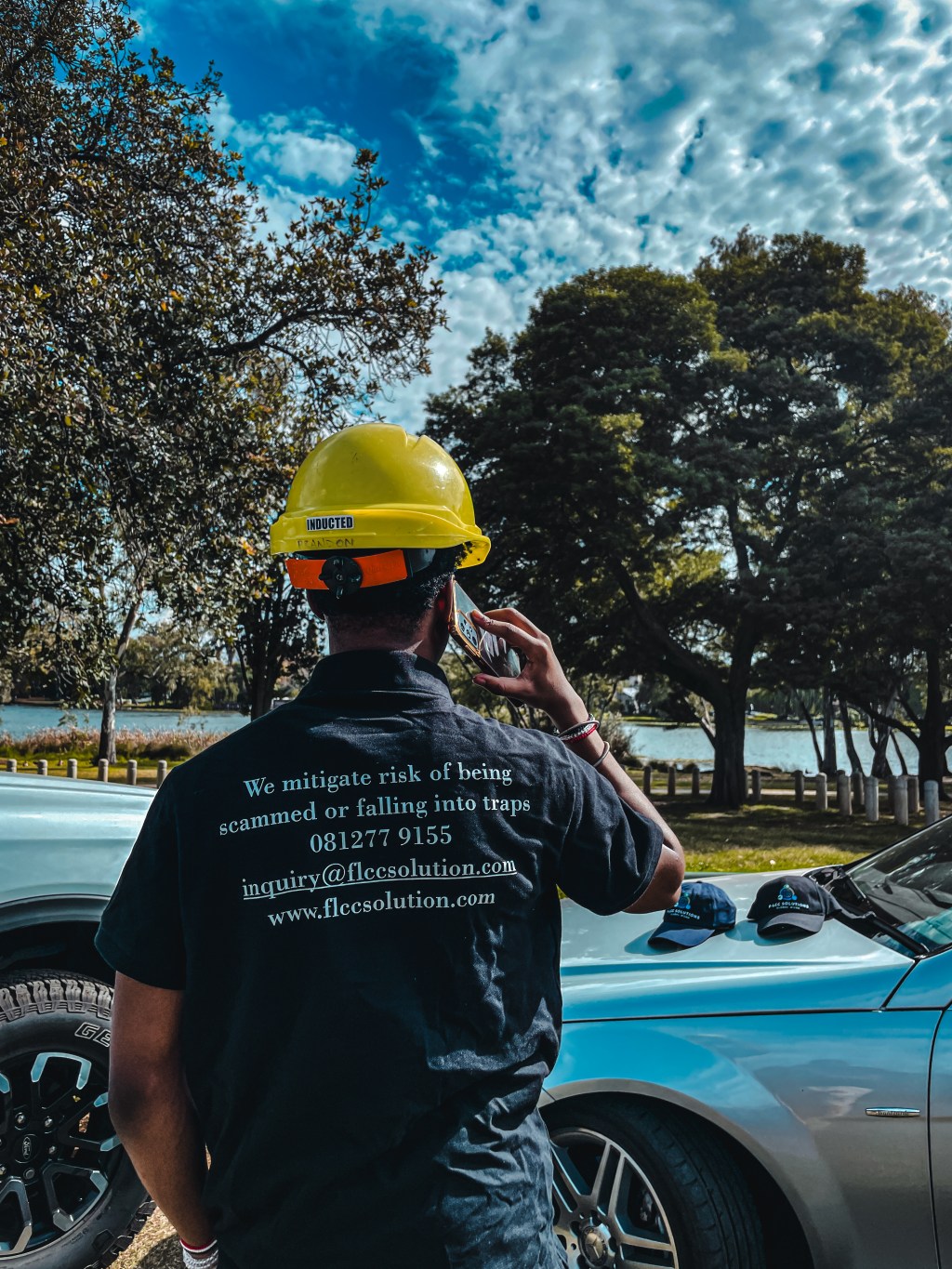
Construction sites are inherently dangerous environments due to heavy machinery, hazardous materials, and complex tasks performed at high altitudes or in challenging conditions. As a result, construction site safety is of paramount importance for protecting workers, ensuring successful project completion, and maintaining a productive work environment.
Safety protocols on construction sites are not just a regulatory requirement; they are vital for minimizing accidents, reducing injuries, and preventing fatalities.
- What is a safety protocol?
- The Safety Protocols
- Real-Life Example: The 2017 London Tower Crane Collapse
- Ways to Improve Safety Protocols on Construction Sites
- Conclusion
What is a safety protocol?
A safety protocol is a set of procedures or guidelines designed to ensure the safety and well-being of individuals in a specific environment, particularly in workplaces or areas where there are potential risks or hazards. These protocols are established to prevent accidents, injuries, and other safety-related incidents.
The Safety Protocols
Safety protocols on construction sites are guidelines and procedures established to protect workers from harm, prevent accidents, and ensure compliance with local and international safety standards. These protocols cover a wide range of practices, including the use of personal protective equipment (PPE), safe operation of machinery, safe handling of materials, and the establishment of emergency response plans.
The importance of safety protocols can be summarized in several key points:
Worker Protection
Construction workers are often exposed to a variety of risks, from falls to exposure to toxic substances. Safety protocols ensure that workers are protected through the proper use of PPE (e.g., helmets, gloves, safety glasses), fall arrest systems, and training on safe handling of hazardous materials like asbestos or chemicals.


Compliance with Regulations
Construction safety regulations in South Africa are enforced by government agencies, such as the Department of Employment and Labour (DEL) and the South African Bureau of Standards (SABS). These regulations are designed to protect workers from known hazards and ensure that companies comply with industry standards, including the Occupational Health and Safety Act (OHSA) and related regulations. Failure to adhere to safety protocols can result in fines, work stoppages, and even legal action, as well as potential penalties under the relevant legislation.
Minimizing Financial Losses
Workplace accidents can be costly for construction companies, leading to medical expenses, insurance claims, delays, and potential litigation. By implementing and adhering to safety protocols, construction firms can significantly reduce the risk of accidents, thus minimizing financial losses and maintaining a positive reputation.
Project Timeliness and Efficiency
Accidents and injuries disrupt the flow of work and can lead to project delays. If a worker is injured, the project may be put on hold while the injury is assessed and managed. By focusing on safety, construction companies can maintain a steady workflow, ensuring that projects are completed on time and within budget.
Real-Life Example: The 2017 London Tower Crane Collapse
One of the most tragic examples of poor safety protocols on a construction site is the 2017 tower crane collapse in London. The crane, which was being used on a construction site in the Vauxhall area, collapsed due to high winds, killing one person and injuring others.
An investigation revealed that the crane’s safety protocols were insufficient for the stormy conditions it faced that day. The crane’s operator had been instructed to leave the crane unattended in high winds, but the site management failed to fully assess the risks involved. The incident underscored the need for stronger safety protocols in assessing weather conditions, securing equipment, and ensuring proper training for operators.
This tragedy highlighted several gaps in safety planning and protocols, including:
- Failure to secure heavy equipment under extreme weather conditions.
- Lack of proper risk assessments for adverse environmental factors.
- Insufficient worker training on emergency procedures.
This event emphasized how essential it is to consider every potential risk on a construction site, including environmental conditions and equipment integrity.
Ways to Improve Safety Protocols on Construction Sites
While construction sites will always pose certain risks, there are steps that can be taken to significantly improve safety protocols. Here are a few key measures to ensure better protection for workers:
Regular Risk Assessments
Before work begins on any construction site, thorough risk assessments should be conducted to identify potential hazards. These assessments should cover environmental factors, equipment use, worker tasks, and site conditions. By identifying these risks early, workers can be trained in mitigation strategies, and necessary precautions (such as barricades, proper PPE, or scaffolding) can be implemented.
A good practice is to conduct these assessments regularly throughout the project, especially when new tasks or equipment are introduced. This ensures that safety measures remain up-to-date and that emerging risks are quickly addressed.
Training and Ongoing Education
Construction site workers should be regularly trained on safety protocols, emergency procedures, and the proper use of equipment. This training should cover a wide range of topics, such as fall protection, equipment operation, material handling, and hazard identification.
Additionally, ongoing safety education is important, as new risks and safety technologies emerge. By continuously educating workers, construction companies can ensure that everyone on the site remains aware of the latest safety practices.
Implementing Technology for Monitoring and Reporting
One of the most effective ways to enhance safety on construction sites is by using technology to monitor and report hazards. Tools like wearable safety devices can monitor workers’ vitals, detect falls, and track their movements to ensure they are not in dangerous areas. Drones and robots are also being used to conduct site inspections, allowing for safer surveillance of hard-to-reach or hazardous areas.
Additionally, mobile safety apps allow workers and supervisors to report hazards in real time. This not only increases awareness of potential risks but also provides a platform for immediate action to be taken.
Stronger Equipment Maintenance and Inspections
Ensuring that machinery and equipment are properly maintained is critical for worker safety. Regular inspections should be conducted on cranes, scaffolding, tools, and safety equipment to ensure they are in good working order. Preventative maintenance schedules should be followed rigorously, and any defective equipment should be immediately removed from the site to avoid accidents.
In the case of the tower crane collapse in London, proper maintenance and inspections could have identified potential issues with the crane and prevented the tragic incident.
Clear Communication and Signage
Clear communication is crucial to construction site safety. Supervisors and workers should have open lines of communication at all times, whether through radios, mobile apps, or verbal exchanges. Moreover, proper signage should be placed throughout the site to warn of potential hazards and outline necessary precautions.
Signs indicating dangerous areas (such as electrical zones, height hazards, or areas with moving machinery) should be prominently displayed, ensuring that everyone on the site is aware of the risks.
Conclusion
Safety protocols are not only a legal requirement but also an ethical responsibility for construction companies. Protecting workers from harm, ensuring compliance with regulations, and reducing financial risks are all essential components of a successful construction project.
As demonstrated by the tragic 2017 tower crane collapse, neglecting safety can result in devastating consequences. However, by implementing robust safety protocols—such as conducting regular risk assessments, providing comprehensive training, and investing in technology—construction companies can mitigate risks and ensure the well-being of their workers.

 FLCC SOLUTIONS
Leave a comment